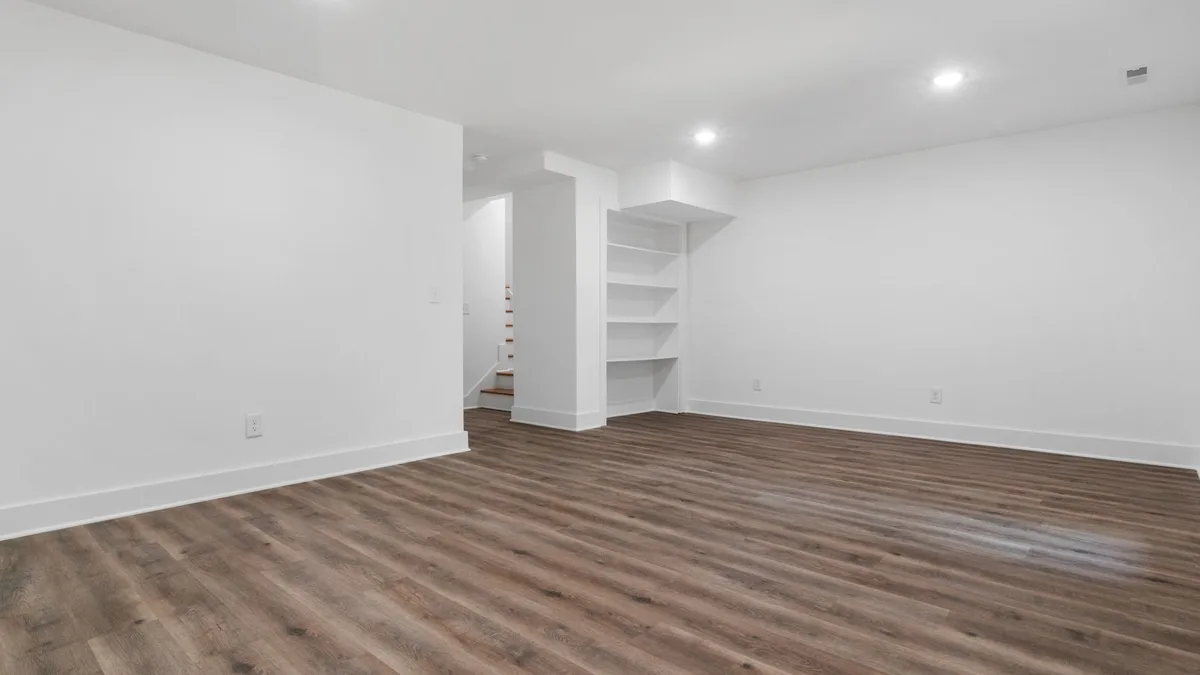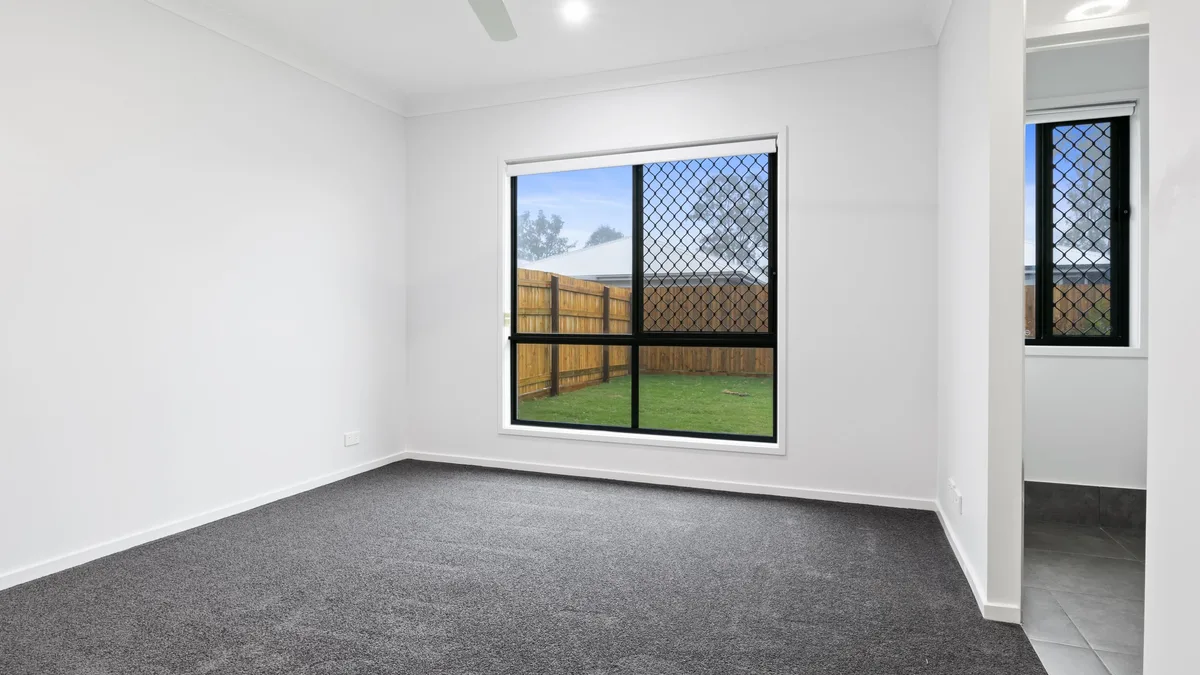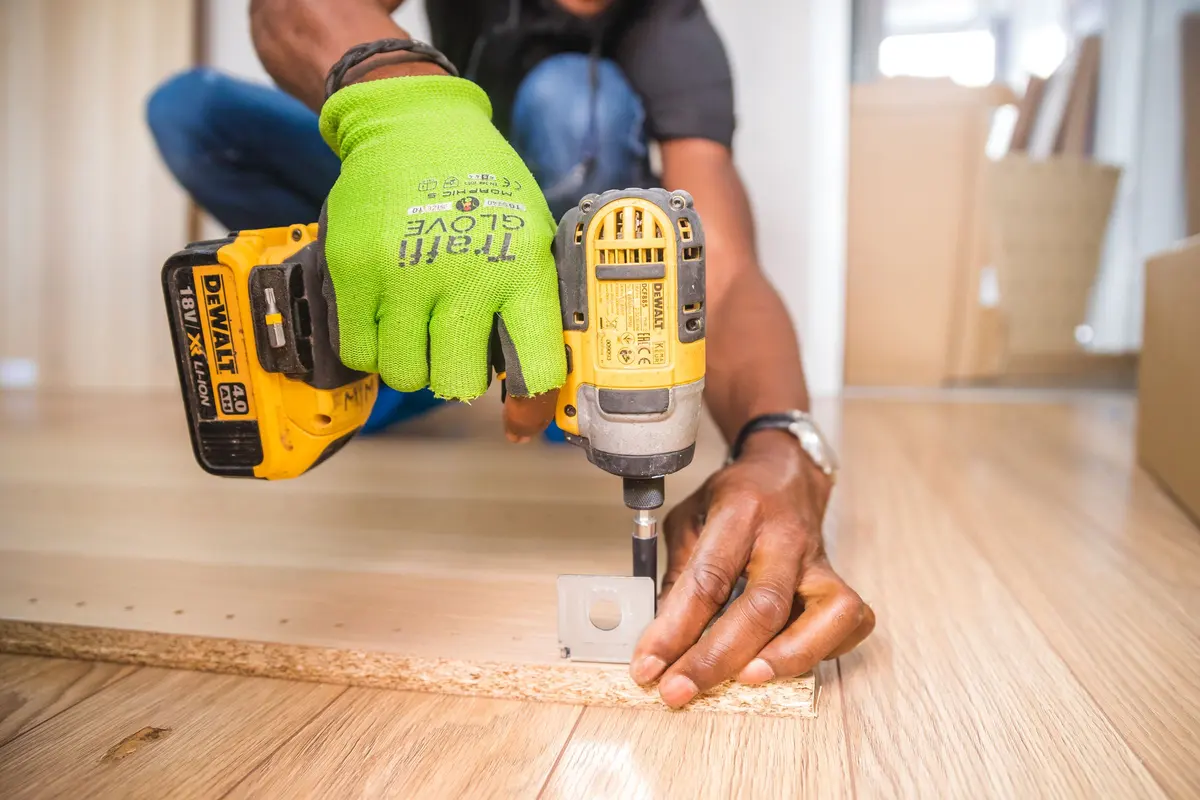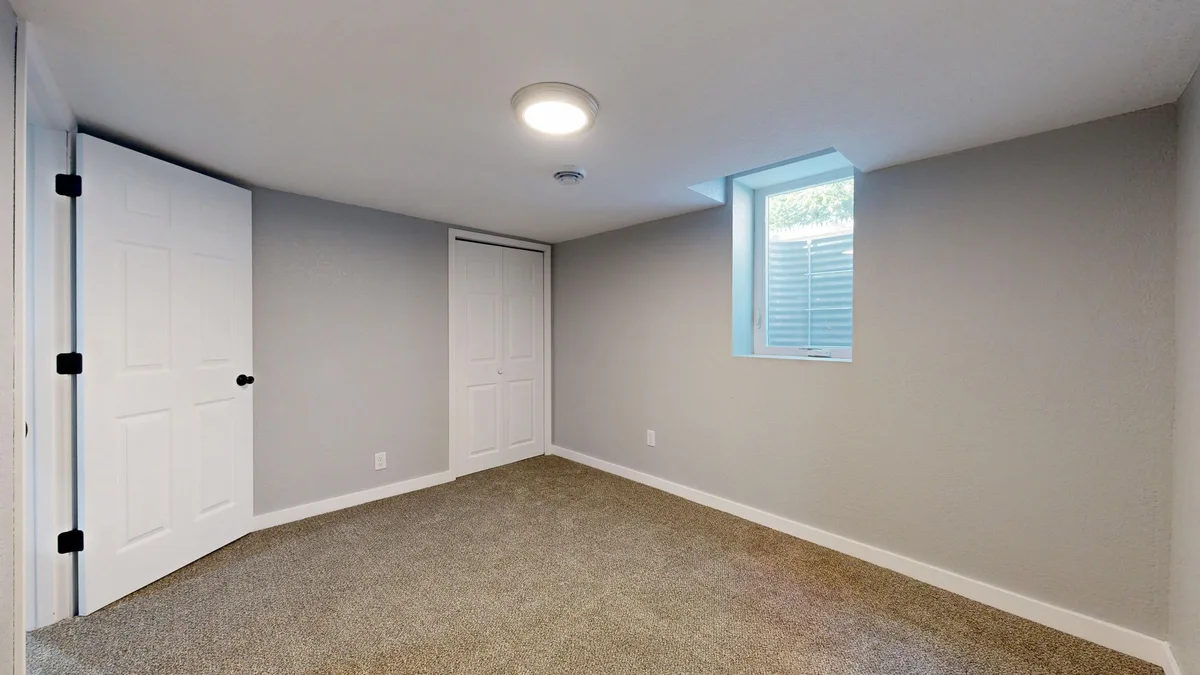
The install goes better when the house is ready for it. Not because we need much — but because every hour spent shuffling furniture is an hour not spent laying floor, and because a couple of small things done the week before prevent the problems that actually derail a day.
Here is what to do, and what to expect.
The week before
Let the material sit in the house. Most flooring needs to acclimate — to come to the temperature and humidity of the room it is going into — before it is installed. Plank and laminate in particular expand and contract with moisture, and material installed straight off a cold truck will move after it is down. We will tell you when to expect delivery and how long it needs to sit. Leave it in the room it is going into, and leave the heat or air running as normal.
Clear the small stuff. Books, lamps, everything on shelves, anything on the floor of a closet in the room. This is the part that always takes longer than people think, and it is the part we cannot do for you.
Take the pictures off the walls in the room and the hallway leading to it. Long material gets carried through, and walls get bumped.
Decide what we are moving. Tell us at the estimate rather than on the day. Big pieces are fine, but appliances that need disconnecting, gun safes, pianos, aquariums and anything with a service connection need arranging in advance — sometimes by somebody who is not us.
The night before
Plan where the pets go. This matters more than anything else on this list. Doors will be open for hours, tools and offcuts will be on the floor, and there will be strangers going in and out. A dog that has never once run off will run off on installation day. Board them, take them to a family member, or set up one room at the far end of the house that nobody needs access to.
Clear a parking spot and a path. Material comes off a truck and goes into the house, and that route wants to be clear of cars, bikes, hoses and anything else.
Think about where you will be. You do not need to be home the whole time, but somebody should be reachable — the questions that come up mid-job are usually quick ones about a transition or a direction of lay, and waiting on an answer stops the work.
What the day looks like
It is louder and dustier than most people expect, particularly if there is old floor coming up.
1. Removal. The existing floor comes up and goes out. Glue-down material and tile are the slow, loud part. Expect dust. 2. Prep. The subfloor gets cleaned, checked, and made flat. Dips filled, humps ground, any bad spots repaired. This is the invisible half of the job and it is the half that decides how the floor behaves. 3. Layout. Where the first row goes, which way the plank runs, where a carpet seam falls. Getting this right is why an installer walks a room for a while before anything goes down. 4. Installation. The part everybody pictures. 5. Trim and transitions. Baseboard or quarter round back on, thresholds and reducers fitted. The floor stops looking like a project and starts looking like a floor. 6. Clean-up and walk-through. We haul the old floor away and walk it with you.
Things worth knowing
There will be a gap at the walls. Floating floors need room to expand, and that gap gets covered by trim or quarter round. If you can see a gap before the trim goes on, that is correct, not a mistake.
Doors may need trimming. A new floor can sit higher than the old one, especially where carpet with a thick pad is replacing something thin. Interior doors sometimes have to come off and be cut down.
New carpet sheds. Loose fiber from manufacturing comes up for the first few weeks of vacuuming. It is normal and it stops.
New floors smell for a day or two. Vinyl and adhesives both off-gas mildly at first. Open a window and it clears.
Furniture goes back on the schedule we agree, not always the same afternoon. Some adhesives need time before heavy loads go on top.
After the install
Get felt pads under every piece of furniture before it goes back. Chair legs are the single most common source of scratches on a new floor, and pads cost almost nothing.
A doormat at each entry does more for a floor's lifespan than any product you can buy. Most of what wears a floor is grit tracked in from outside, and a mat stops a surprising amount of it.
Then leave it alone. Sweep it, keep the grit off it, and it will look after itself. How to clean and care for vinyl plank and laminate covers the rest.
Before you get here
All of this is a lot easier when the plan was made properly at the start. If you are still at the deciding stage, book a free in-home estimate — we will measure, look at what is under the existing floor, and tell you what the day is going to involve before you commit to anything. You can see finished work on the gallery.