Skip to content
Tile

Tile

Tile is the right answer in the rooms where water always wins in the end — bathrooms, entryways, mudrooms and laundry rooms. Done properly it will outlive everything else in the house. Done badly it cracks, and when tile cracks it is almost never the tile that failed. It is the substrate underneath. That is why most of the work on a tile job happens before a single tile is set, and why we would rather talk to you about what is under your floor than about grout colour.

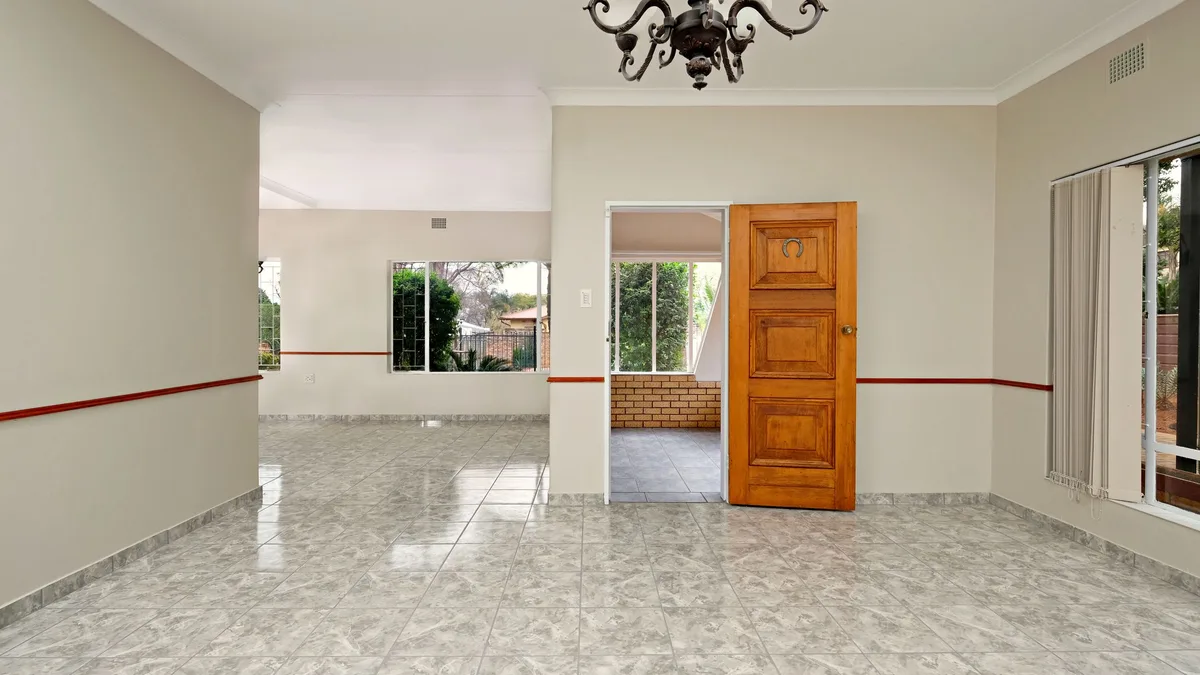
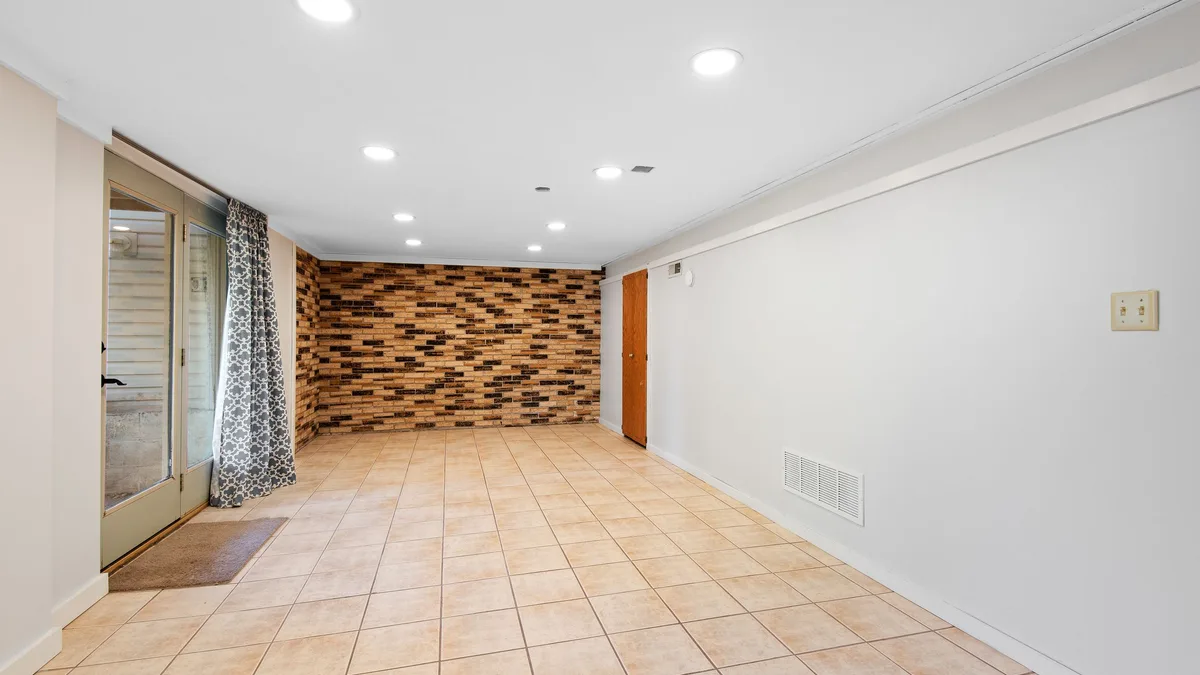
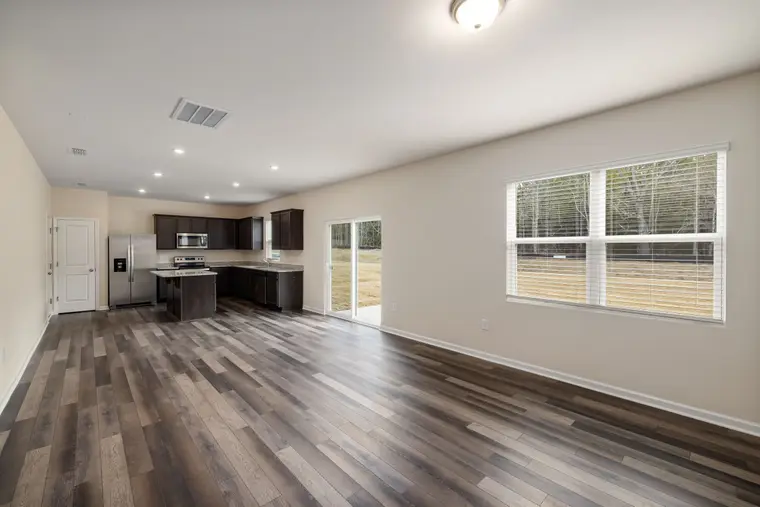
Bright tile flooring in a kitchen
What you are buying

Porcelain, ceramic, and where the difference shows

Density is the practical difference

Porcelain is fired denser and absorbs less water than standard ceramic, which makes it harder, more frost-resistant and better suited to floors that get genuinely wet. Ceramic is softer, easier to cut, and often perfectly adequate on a wall or in a low-traffic bathroom.

For a floor that takes wet boots and grit, porcelain is usually worth the difference. For a guest bathroom that sees light use, a good ceramic is not a compromise.
Through-body colour and chipped edges

Some tiles carry their colour all the way through the body; others have a glaze over a differently coloured base. It sounds cosmetic until something heavy is dropped in a doorway and a chip exposes a pale core against a dark surface.

In an entry or a mudroom, a through-body tile hides that kind of damage far better. It is exactly the sort of detail nobody thinks about at the sample board and everybody notices afterwards.

What's included

  • Porcelain and ceramic for wet rooms and entries
  • Substrate assessed and prepared before anything is set
  • Movement joints where the floor needs them
  • Layout set out from the sightline, not the longest wall
  • Sealed grout where the room calls for it
Where it belongs

The rooms where water always wins

Bathrooms and laundry rooms

These rooms are the clearest case for tile. Water is not an occasional accident there, it is the room’s normal condition, and no wood-cored product is a long-term answer against it.

The floor is only half of it. Where a tiled floor meets a bath, a shower or a laundry standpipe, how that junction is detailed decides whether water goes down the drain or into the subfloor.

Entries and mudrooms

In this part of Missouri the back door does the work, and it brings in mud, grit and snowmelt. Tile takes that better than anything else, and grit is the reason: sand tracked in from a gravel drive acts like sandpaper on softer surfaces and does very little to porcelain.

A tiled entry running into a plank hallway is a common and sensible combination here, provided the transition between the two is set properly and the height difference is dealt with rather than ramped over.

Tile flooring in a bathroom
Recent installs

Tile we've installed

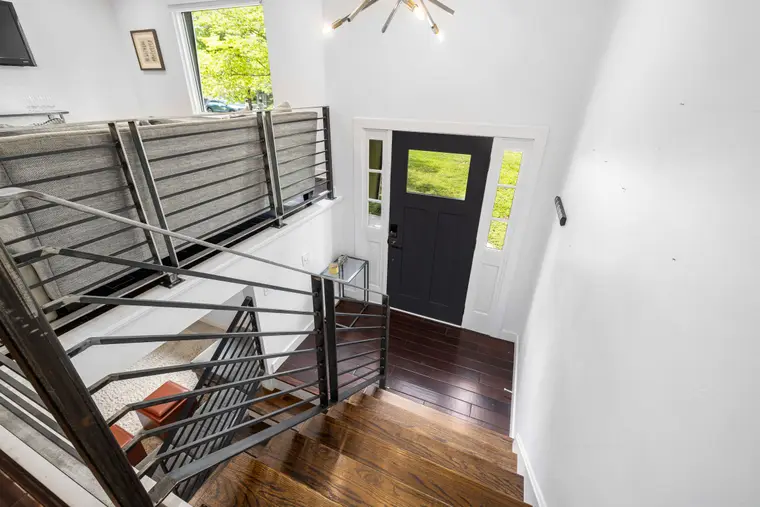
  • Elegant tile flooring in a kitchen
  • Light tile flooring in a hallway
How we fit it

Cracks are a substrate problem, not a tile problem

  1. What is under the tile decides everything

    Tile is rigid and it does not tolerate movement. Set it over a subfloor that flexes and it will crack along the line of the deflection, usually within a year or two. On a wood-framed floor that often means adding a proper backer board or a decoupling membrane rather than tiling straight onto the existing deck.

    This is where the money in a tile job goes, and it is worth it. Retiling a cracked floor costs far more than preparing it properly the first time.

  2. Movement joints and perimeter gaps

    A tiled floor expands and contracts with temperature, so it needs somewhere to move: a soft joint at the perimeter and, on larger runs, movement joints within the field. Grout is not flexible, and a floor grouted hard against every wall has nowhere to go.

    On the fine alluvial ground across the Bootheel, where slabs settle unevenly over decades, giving a floor room to move matters more than it does on firmer ground.

  3. Setting out from the sightline

    The layout starts from what you see when you walk into the room, not from the longest wall. Getting that wrong is how a bathroom ends up with a sliver of cut tile against the most visible wall and a full tile hidden behind the door.

    In older houses around here, where rooms are frequently out of square, we set out from the sightline and push the discrepancy to the least visible corner. We will walk you through the plan before we start setting.

A tiled floor expands and contracts with temperature, so it needs somewhere to move: a soft joint at the perimeter and, on larger runs, movement joints within the field.
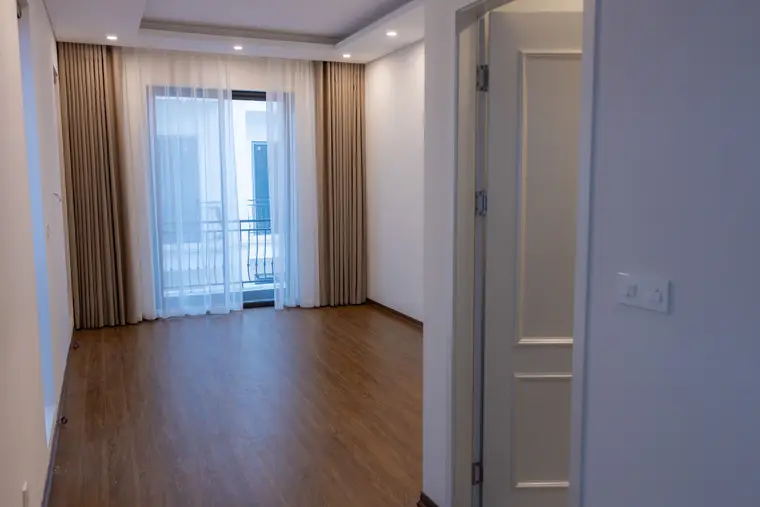
Modern tile flooring
Tile

Tile questions

Why did our last tile floor crack?

Almost always because the substrate moved. Tile is rigid and cannot flex with a subfloor that deflects, so it cracks along the line of the movement. Fixing it means addressing what is underneath — backer board, a decoupling membrane, or stiffening the deck — not just replacing tiles.

Porcelain or ceramic?

Porcelain is denser and absorbs less water, so it suits floors that get genuinely wet and entries that take grit. Ceramic is softer and often perfectly adequate for a low-traffic bathroom or a wall. We will show you both and explain which fits your room.

Does grout need sealing?

It depends on the grout. Traditional cement-based grout benefits from sealing in wet rooms and entries; some modern grouts do not need it at all. We will tell you which you have and what maintenance it actually wants.

How long before we can use the room?

Longer than the other floors we fit. Tile has to set and then be grouted, and each stage needs time. A bathroom is typically out of use for a few days. We will give you a realistic schedule at the estimate so you can plan around it.

Ready for your free in-home estimate?

Free in-home estimate, clear pricing, and a crew that shows up when we say we will.

Call Now Free Estimate