
Tile Flooring in Scott City, MO
Tile is the right answer in the rooms where water always wins in the end — bathrooms, entryways, mudrooms and laundry rooms. Done properly it will outlive everything else in the house. Done badly it cracks, and when tile cracks it is almost never the tile that failed. It is the substrate underneath. That is why most of the work on a tile job happens before a single tile is set, and why we would rather talk to you about what is under your floor than about grout color. Installed by our own crew across Scott City.
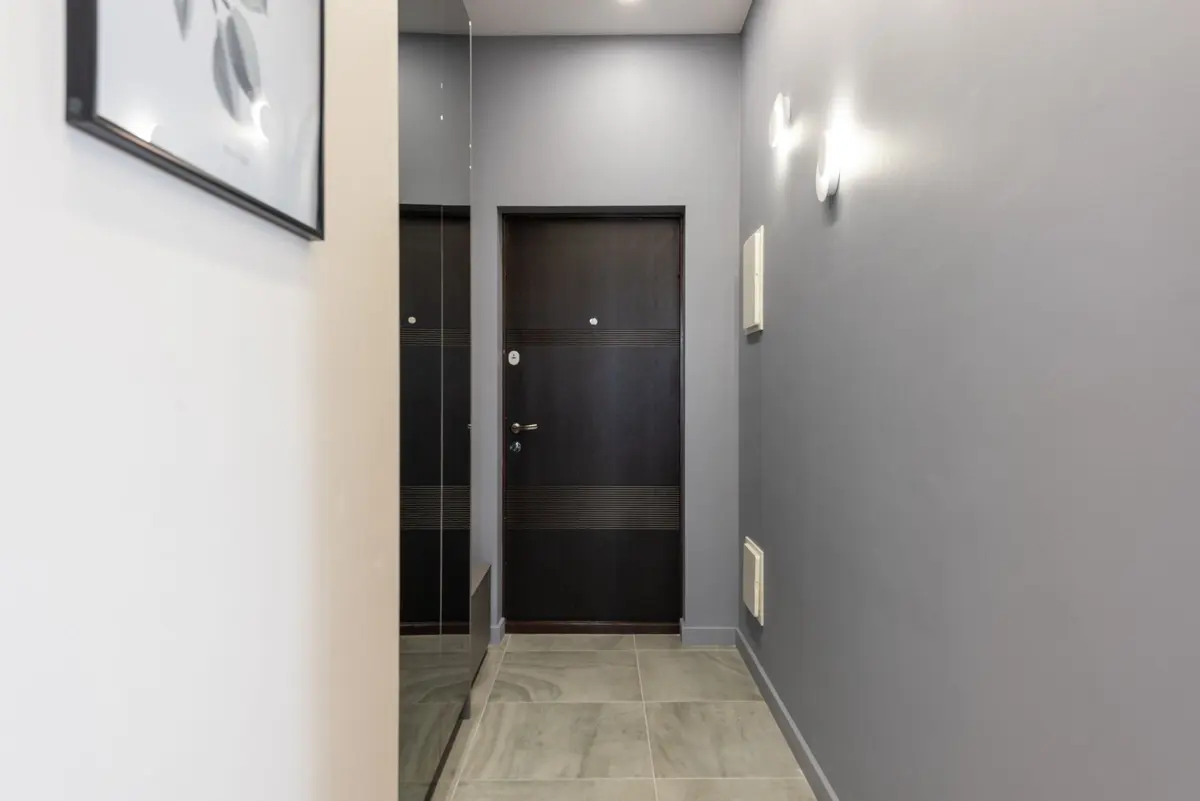
Tile done right, the first time, in Scott City.
Homeowners across Scott City, MO call Sikeston Carpet & Flooring for tile because every job runs with our own crew, no subcontractors, no surprise charges, and one number to call from first sample to finished floor.
We install tile across Scott City and the surrounding area, including Cape Girardeau, Sikeston, East Prairie, Matthews.
What's included
- Porcelain and ceramic for wet rooms and entries
- Substrate assessed and prepared before anything is set
- Movement joints where the floor needs them
- Layout set out from the sightline, not the longest wall
- Sealed grout where the room calls for it
Built for Scott City homes.
Scott City is really three places that grew together. Fornfelt and Ancell consolidated with Scott City in 1960, and Illmo joined in 1980 — and you can still read the joins in the housing. Each former town has its own vintage of building, so a street on one side of the city can be forty years older than a street on the other. About 4,350 people live here, split across Cape Girardeau and Scott counties, which also puts part of the city in the Cape metro and part in the Sikeston area.
Scott City took its present shape through two mergers: Fornfelt and the Ancell area consolidated with it in 1960, and Illmo followed in 1980. The 2020 population was 4,346, spread across Cape Girardeau and Scott counties at an elevation of about 400 feet. The railroad, including the Thebes–Scott City bridge, is part of why the settlements were there in the first place.
A city assembled from three railroad towns does not have one housing stock, it has three. That matters more than it sounds. Estimating a whole-house job here means checking what is actually under the carpet on that particular street rather than assuming, because the answer changes between the old Illmo blocks and the newer building around them.
Railroad-era houses tend to have wood subfloors, and after a century of foot traffic and a few generations of tack strip they often need a sheet of underlayment before anything smooth goes down. Skipping that step is how a vinyl floor ends up showing every seam and nail head underneath it within a year. We would rather add the sheet and say so in the quote than leave it out to make the number look better.
Scott City is a short run north of Sikeston, so it is an easy one for us to get to for the measure and again for the install without the schedule stretching out.
Tile jobs near Scott City
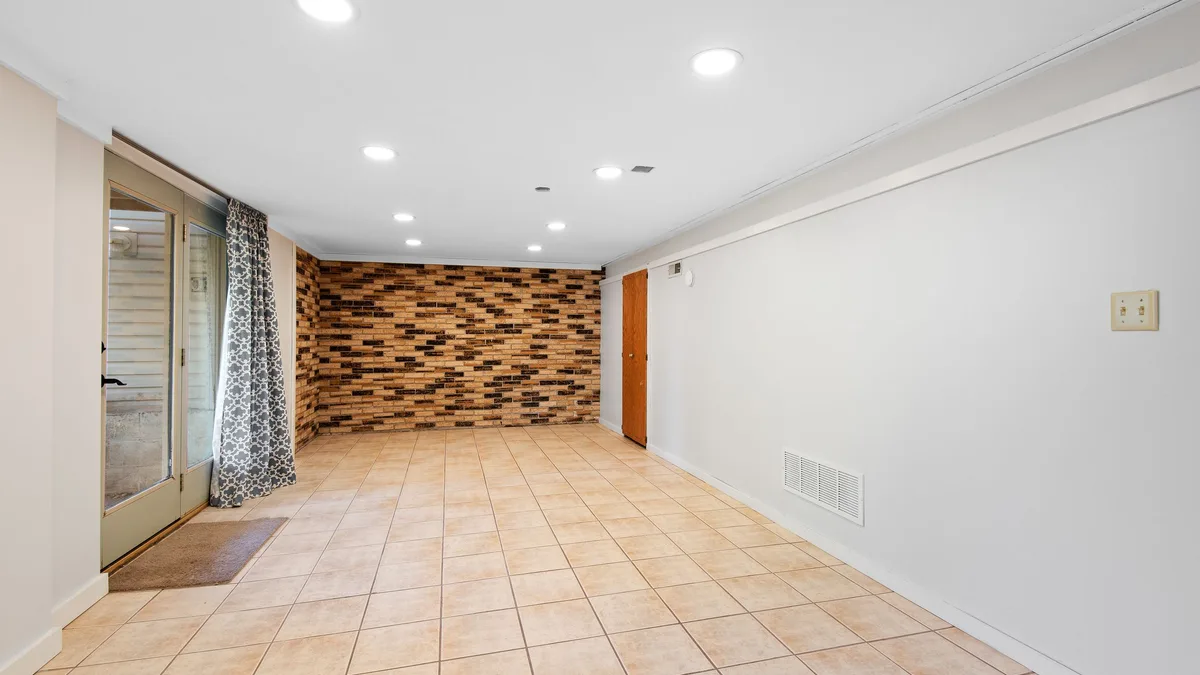

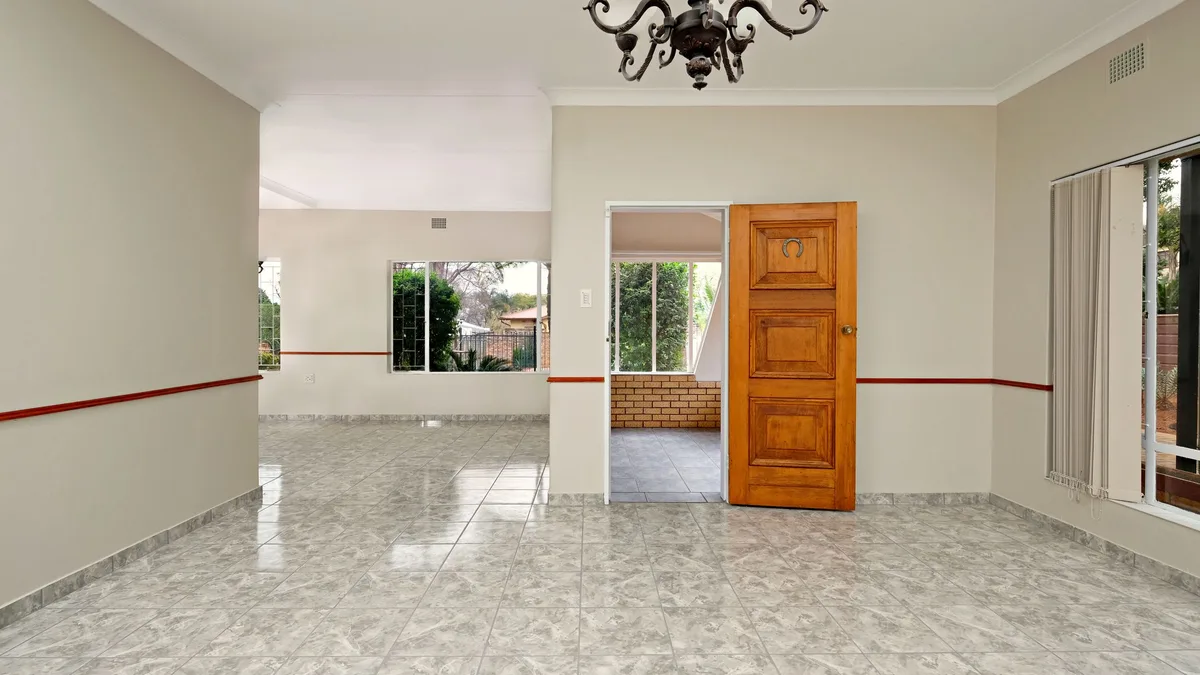
Tile in Scott City, questions
Why does my neighbour need underlayment and I do not?
Because Scott City is three former towns joined together and the houses are not the same age. What is under your floor depends on which part of the city you are in and when your house was built. We check yours rather than assume, and the quote reflects what we actually find.
Do you charge to come out to Scott City?
No. The in-home estimate is free. We bring samples, measure the rooms and give you a written price. Scott City is close enough to Sikeston that it is a straightforward trip for us.
Why did our last tile floor crack?
Almost always because the substrate moved. Tile is rigid and cannot flex with a subfloor that deflects, so it cracks along the line of the movement. Fixing it means addressing what is underneath — backer board, a decoupling membrane, or stiffening the deck — not just replacing tiles.
Porcelain or ceramic?
Porcelain is denser and absorbs less water, so it suits floors that get genuinely wet and entries that take grit. Ceramic is softer and often perfectly adequate for a low-traffic bathroom or a wall. We will show you both and explain which fits your room.
Does grout need sealing?
It depends on the grout. Traditional cement-based grout benefits from sealing in wet rooms and entries; some modern grouts do not need it at all. We will tell you which you have and what maintenance it actually wants.
How long before we can use the room?
Longer than the other floors we fit. Tile has to set and then be grouted, and each stage needs time. A bathroom is typically out of use for a few days. We will give you a realistic schedule at the estimate so you can plan around it.
Every floor type we install in Scott City, MO
-
 Scott City
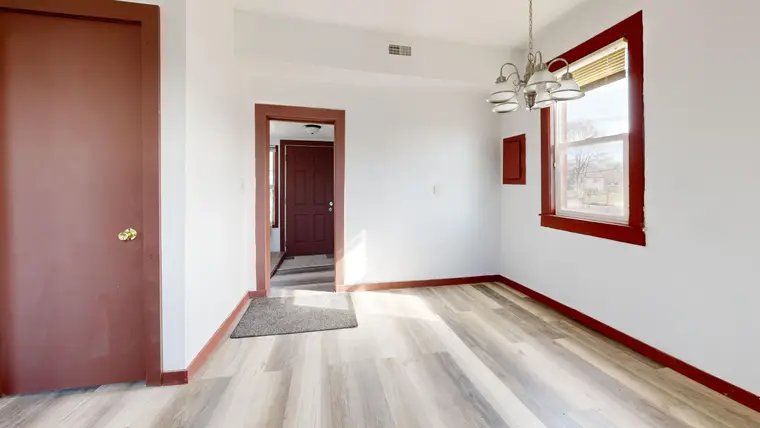
Carpet in Scott City
Learn more → -
 Scott City
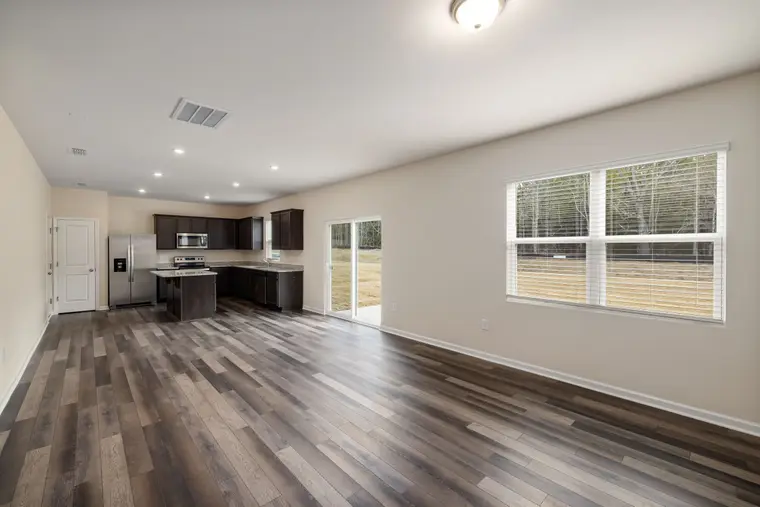
Luxury Vinyl Plank in Scott City
Learn more → -
 Scott City
Laminate in Scott City
Learn more → -
 Scott City
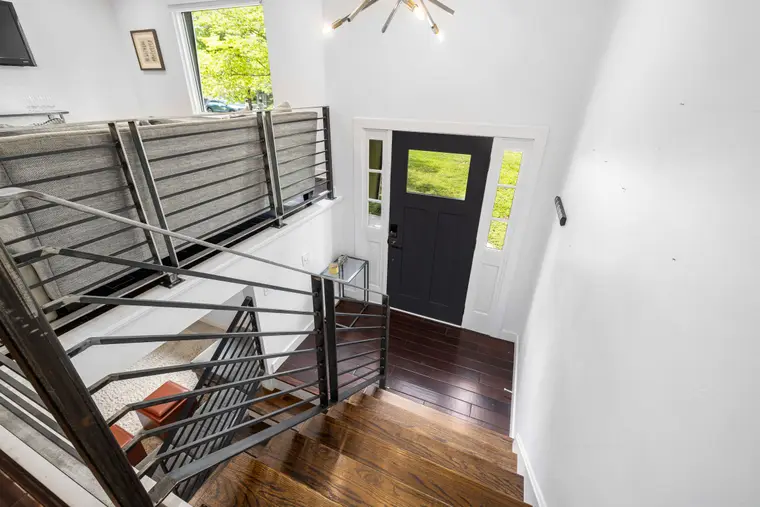
Stairs & Trim in Scott City
Learn more → -
 Scott City
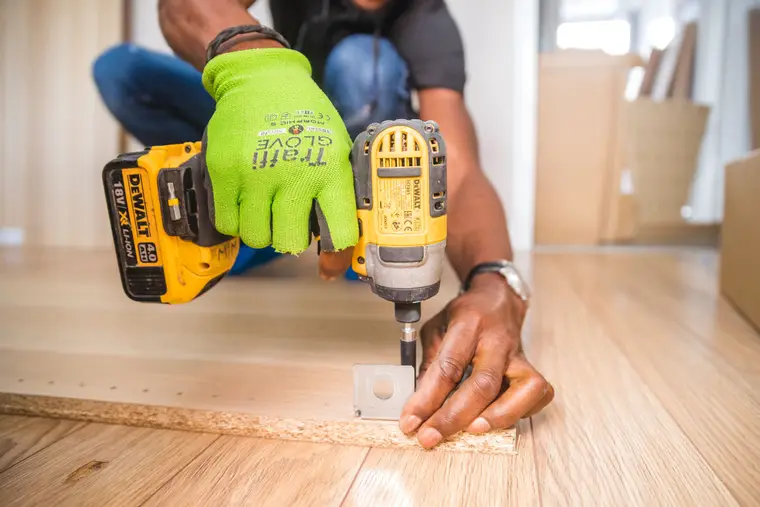
Floor Removal & Demo in Scott City
Learn more → -
 Scott City
Commercial Flooring in Scott City
Learn more →
Tile in nearby areas
Ready to start your Scott City project?
Free in-home estimate, clear pricing, and a crew that shows up when we say we will.