We sell more carpet than anything else, and more luxury vinyl plank than anything but carpet, and almost every estimate we do in Sikeston eventually becomes a conversation about which one goes where. People arrive thinking they need to choose one for the whole house. They almost never do. The right answer is room by room, and it depends on what the room does, what is under it, and who lives in the house.
Here is how we answer it, room by room, including the places where the answer surprises people.
What each one is good at
Carpet is warm, quiet and soft. It is the only floor a child can sit and play on comfortably, it insulates a room over a crawl space in a way no hard surface does, and it is forgiving of a slightly uneven subfloor. It holds stains, odors and moisture, and it wears in the paths people walk.
Vinyl plank is waterproof, hard-wearing and easy to clean. It shrugs off spills, wet boots and dog claws, and a damaged plank can be replaced on its own. It is colder and harder underfoot, it shows the subfloor beneath it if that subfloor is not flat, and it is louder in a room with hard walls and no rugs.
Neither is better. They are good at different things, and a Bootheel house has rooms that need both.
Kitchen: vinyl plank
The kitchen is where water always wins eventually, from the dishwasher, the sink, the refrigerator line or the dog bowl. Carpet in a kitchen is a stain waiting to happen. Vinyl plank is waterproof, wipes clean and handles the traffic between the stove and the table. This one is not close.
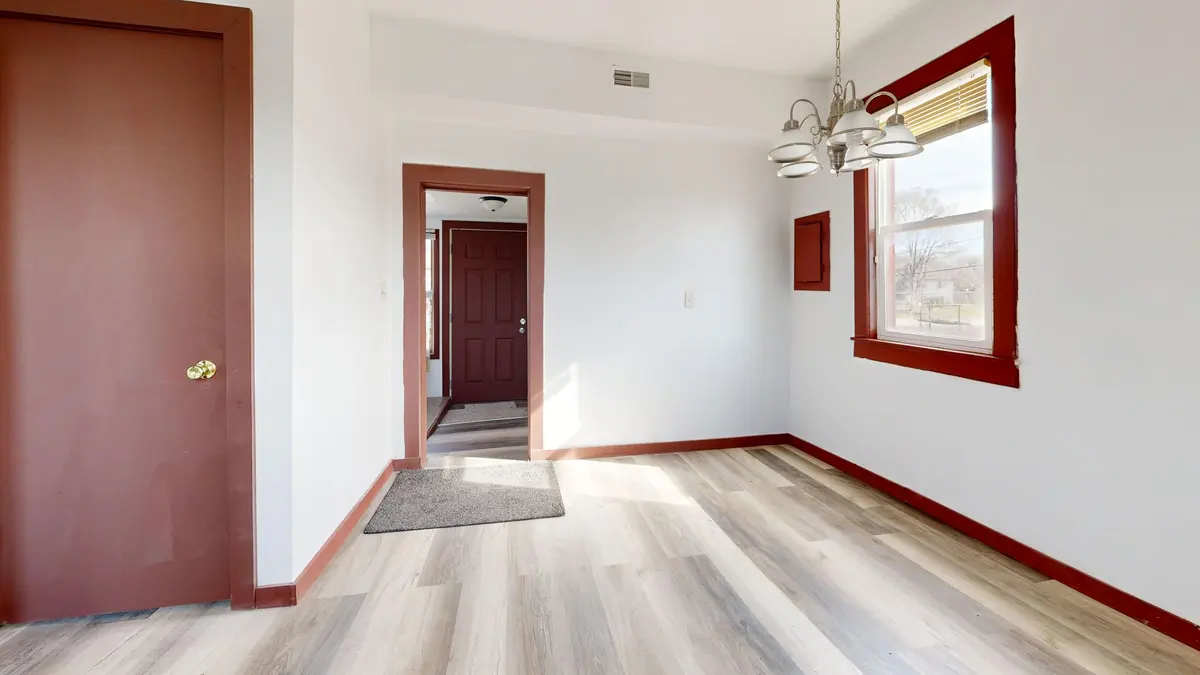
Entry and hallway: vinyl plank
Wet boots in winter, mud in spring, and the most concentrated foot traffic in the house. Carpet here wears a gray path within a couple of years. Vinyl plank does not. If the hallway connects carpeted bedrooms, the transition goes at each bedroom door. The best flooring for an entryway, mudroom or back door covers tile at the door, mats and keeping it from getting slick.
Living room and family room: usually vinyl plank, sometimes carpet
This is the room people ask about most. Most families now run vinyl plank through the living areas so the kitchen, dining and living room read as one continuous floor, which makes the space feel larger and removes the carpet-to-vinyl line that dates a house.
Carpet is still the right call in a living room that is genuinely a sitting room rather than a thoroughfare, in a house with small children who spend their day on the floor, or over a crawl space in a house where warmth matters more than cleanability. If the living room goes carpet, put a runner of hard surface through the traffic path only if there is a natural line for it; otherwise choose a dense, twisted carpet in a mid-tone that hides the path. How to read a carpet sample covers what dense and twisted mean on the label.
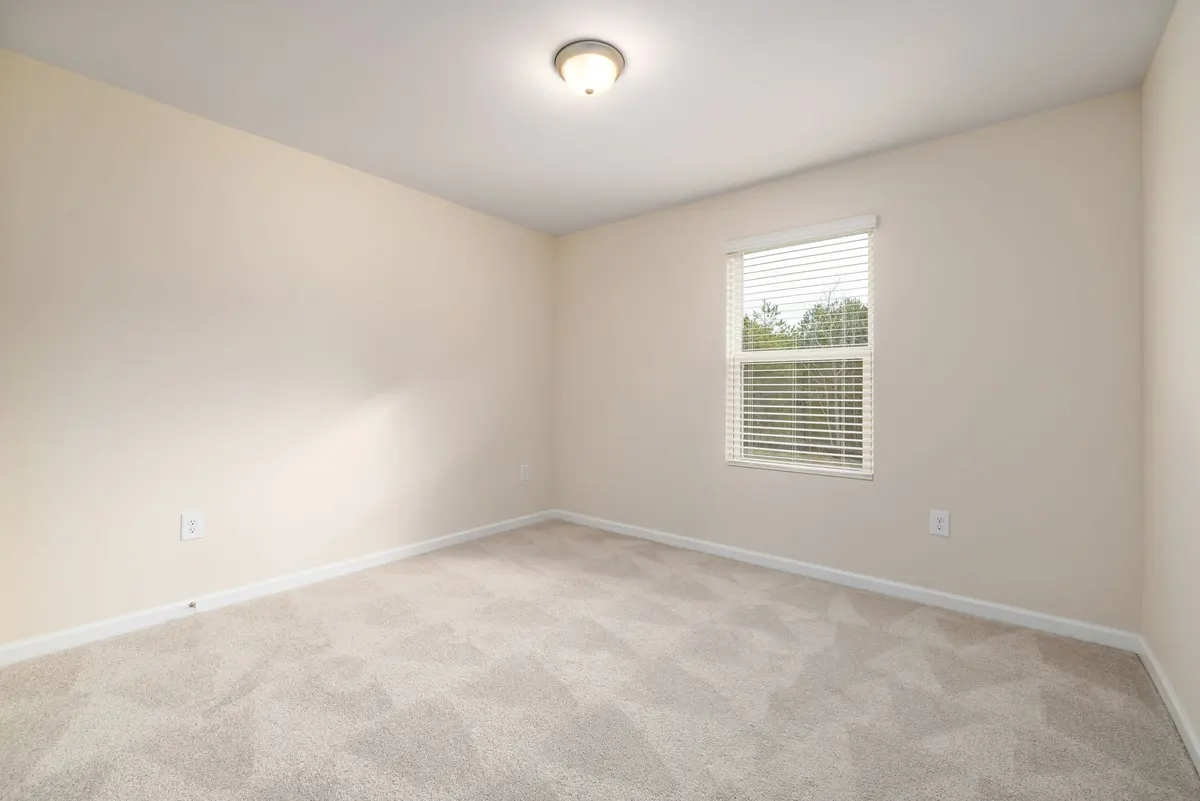
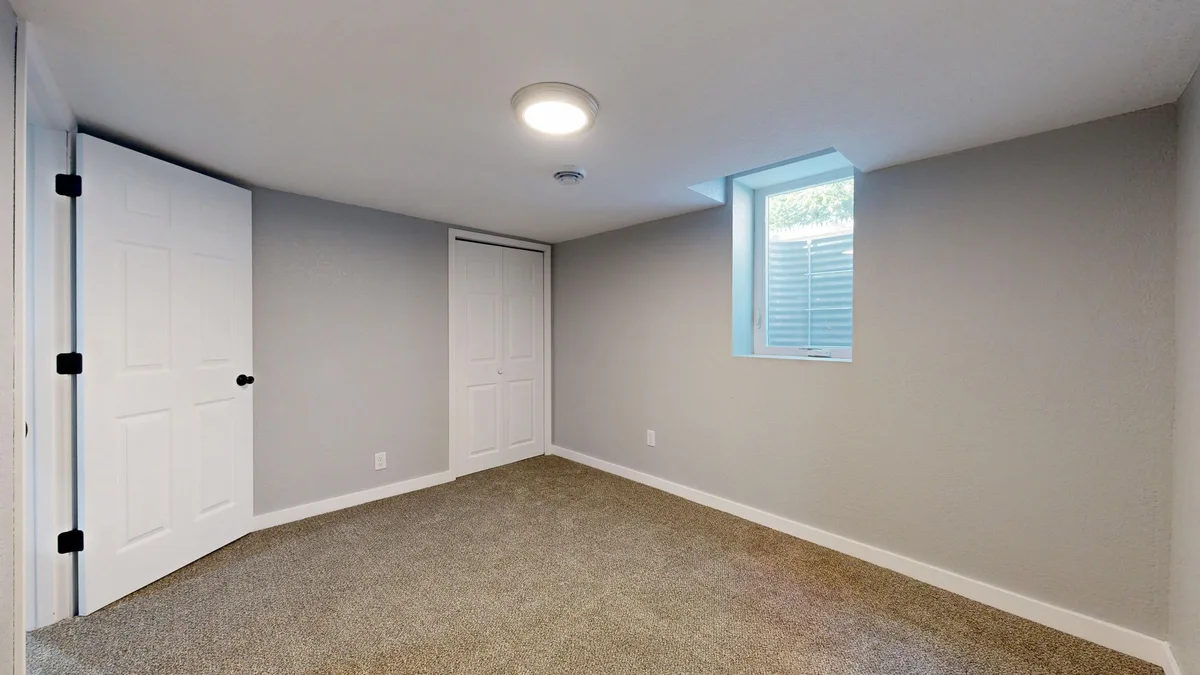
Bedrooms: carpet
This is where the answer surprises people who have decided to go hard-surface everywhere. Bedrooms are low traffic, bare feet at six in the morning, and over a crawl space they are cold. Carpet wins on every count, and a mid-grade polyester on a good pad is not expensive. The exceptions are allergies, and a household with a pet that has accidents, where vinyl plank and a rug give you most of the comfort with none of the risk.
Bathroom and laundry: vinyl plank or tile
Never carpet. Vinyl plank is waterproof and the practical choice; tile is the permanent one. In a laundry room with a machine that might one day overflow, vinyl plank's waterproof seams are the point.
Stairs: carpet, usually
Carpeted stairs are quieter, safer with children and older dogs, and cheaper per step than planked stairs with proper nosings. Planked stairs look better and last longer. If the main floor is going vinyl and the bedrooms carpet, carpeted stairs make sense because they lead to carpet. Stairs and trim covers both versions.
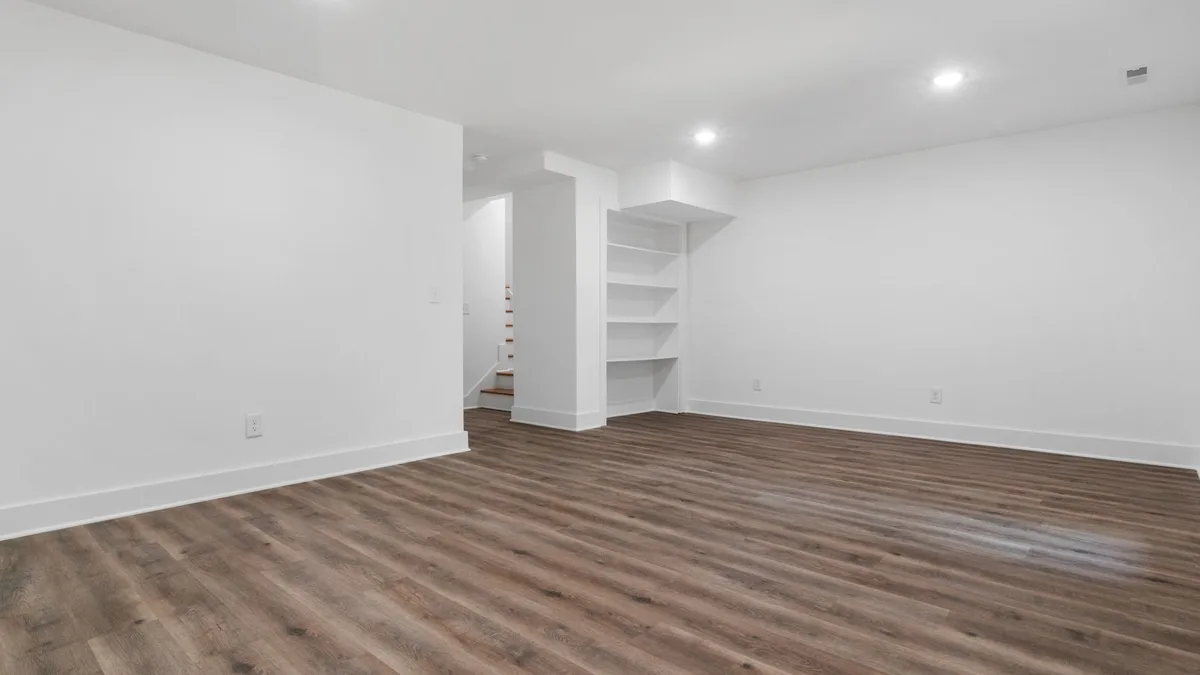
Basements in Cape: vinyl plank
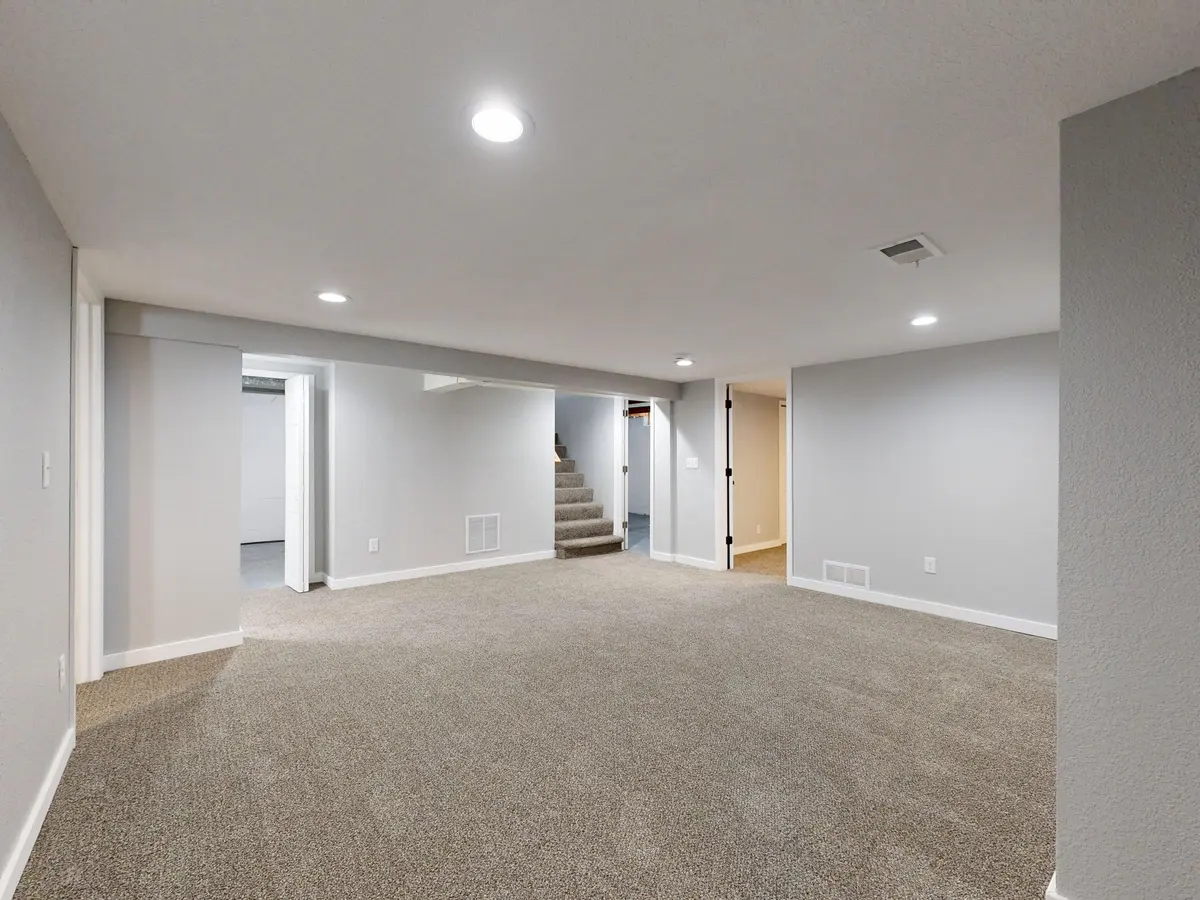
Sikeston is flat and mostly slab or crawl space, but Cape Girardeau is built on bluffs and has real basements. Below grade, moisture comes through the slab, and carpet down there holds it and smells. Vinyl plank over a moisture-tested slab is the answer, with a rug for warmth.
The houses that change the answer
Over a crawl space, which is most older houses from Sikeston to Cape, hard floors are colder and carpet is warmer, so the balance tips toward carpet in any room where you stand barefoot. The best flooring for a house with a crawl space covers the moisture side.
With dogs, vinyl plank wins in every room the dog uses, and carpet survives only in rooms the dog does not. The best flooring for dogs and kids goes through it.
In a rental, vinyl plank almost everywhere, because it cleans between tenants and carpet does not. Flooring for rental properties in Cape Girardeau and Sikeston covers the landlord version.
In a manufactured home, vinyl plank in the wet areas and the living space, carpet in bedrooms, and the subfloor checked first.
The usual split
Put all of that together and most houses land in the same place: vinyl plank through the entry, kitchen, dining, living area, bath and laundry; carpet in the bedrooms and on the stairs; the transitions at the bedroom doors. It is not the only answer, but it is the one that most families are happiest with in five years.
Deciding in your own house
We bring both to the house. The vinyl plank goes down on the kitchen floor and the carpet samples go in the bedroom, in your light, next to your walls, and you stand on each one. That is how the decision gets made, and it is why we come to you rather than asking you to come to a showroom. Why we bring the samples to you explains the rest.
The estimate is free, across Sikeston, Cape Girardeau, Dexter and the towns between. Book one here or call 573-471-8700.