Carpet is the biggest part of what we do, and there is one conversation that comes up on nearly every estimate.
Somebody has found a sample they love. It is wonderfully soft in the hand. And it is the wrong carpet for the room they want to put it in.
How a carpet feels between your fingers has very little to do with how it will look after five years of being walked on. Here is what does — and how to check it yourself while the sample is still in your hand.
Density is the number nobody asks about
Density is how tightly the fiber is packed into the backing. It is the best single predictor of whether a carpet still looks like carpet in a few years, and it is the thing most people never think to check.
To understand why, you have to know how carpet actually fails. It usually is not the fiber wearing away. What happens is that the tufts get crushed and bent over, permanently, so light hits them at a different angle and the traffic lane looks darker and flatter than the rest of the room. That is matting, and matting is what makes a carpet look old.
A dense carpet resists it because the tufts hold each other upright — there is nowhere to bend to. A sparse carpet has room to flatten, and it will.
The test: bend the sample backwards over your finger and look into the fold. If the backing grins through easily, it is not dense. On a dense sample the fiber stays closed and you struggle to see daylight.
Twist is why carpet gets fuzzy
Each tuft is yarn that has been twisted and then heat-set to hold that twist. The tighter and better-set it is, the longer the tuft keeps its shape.
When twist opens up, the tuft ends splay and frizz, and the carpet takes on a shaggy, unkempt look exactly where it gets used. Look closely at the tips on the sample: they should be tight and clearly defined, not blooming open.
This is where a lot of very soft carpets give themselves away. Softness is often achieved with finer filaments and looser construction, and both of those work against durability. It is not that soft carpet is bad — it is that soft carpet belongs in a bedroom, not a hallway.
Fiber, briefly
Nylon is the most resilient of the common fibers. It recovers well from being crushed, which is precisely the failure mode that matters, and it takes stain treatment well. It usually costs more and in a busy room it is usually worth it.
Polyester is inherently stain resistant, holds rich color beautifully, and modern polyesters are much better than their old reputation. It is less resilient than nylon under heavy traffic, so it earns its place in bedrooms and lighter-use rooms.
Polypropylene resists moisture and fading well, which makes it useful in basements and sunrooms, but it crushes more readily than either of the above.
None of these is the right answer everywhere. The right answer depends on the room, which is why we would rather look at the room. Fiber is one choice and style is another. Cut pile, frieze or berber? covers how the yarn is formed and which rooms each style suits.
The pad is not an upsell
Pad gets treated as the line item to trim, and it is close to the worst place to save money.
The pad is what the carpet is being crushed against every time somebody walks on it. A thin or soft pad lets the backing flex more than it should, which works the carpet loose over time and accelerates exactly the matting problem you were trying to avoid. Firm matters more than thick — a thick, soft pad feels luxurious in the showroom and undermines the carpet in the hallway.
Most carpet warranties also specify a minimum pad, and installing under that spec can void them.
Match the carpet to the room, not to the sample rack
A useful way to think about it:
- Hallways, stairs and family rooms — density first, then twist. This is where nylon earns its money, and where stairs and trim work needs the carpet to bend over a nosing without splaying.
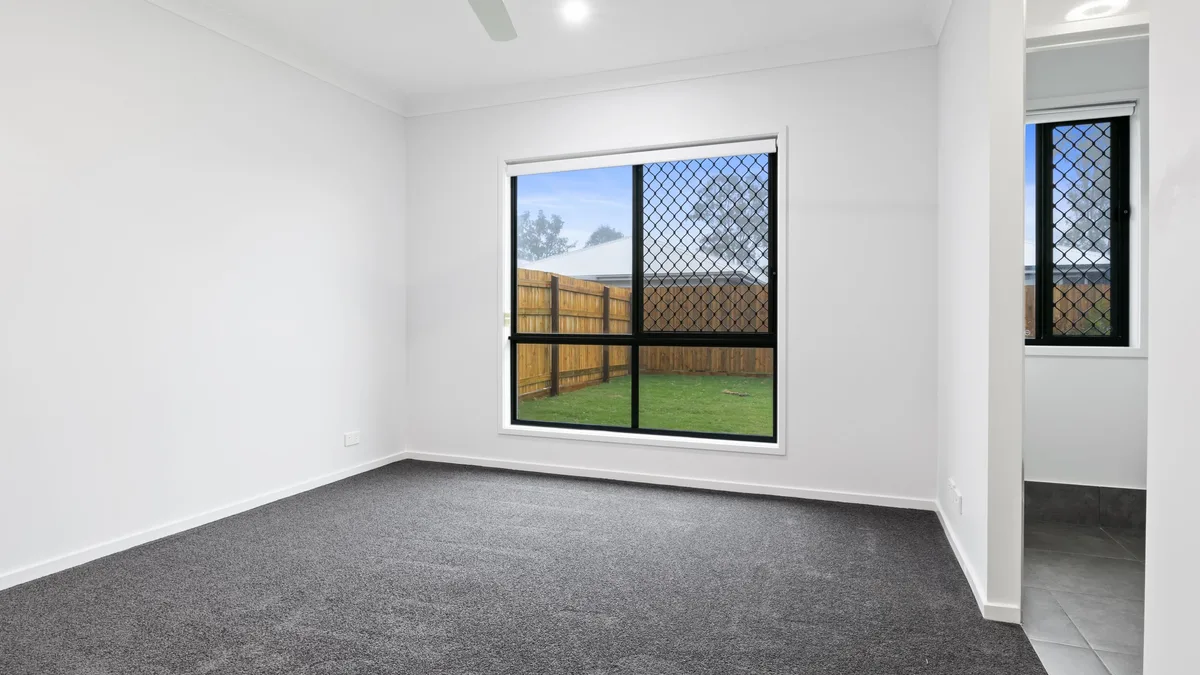
- Bedrooms — you can chase softness here. The traffic is low and the payoff in comfort is real.
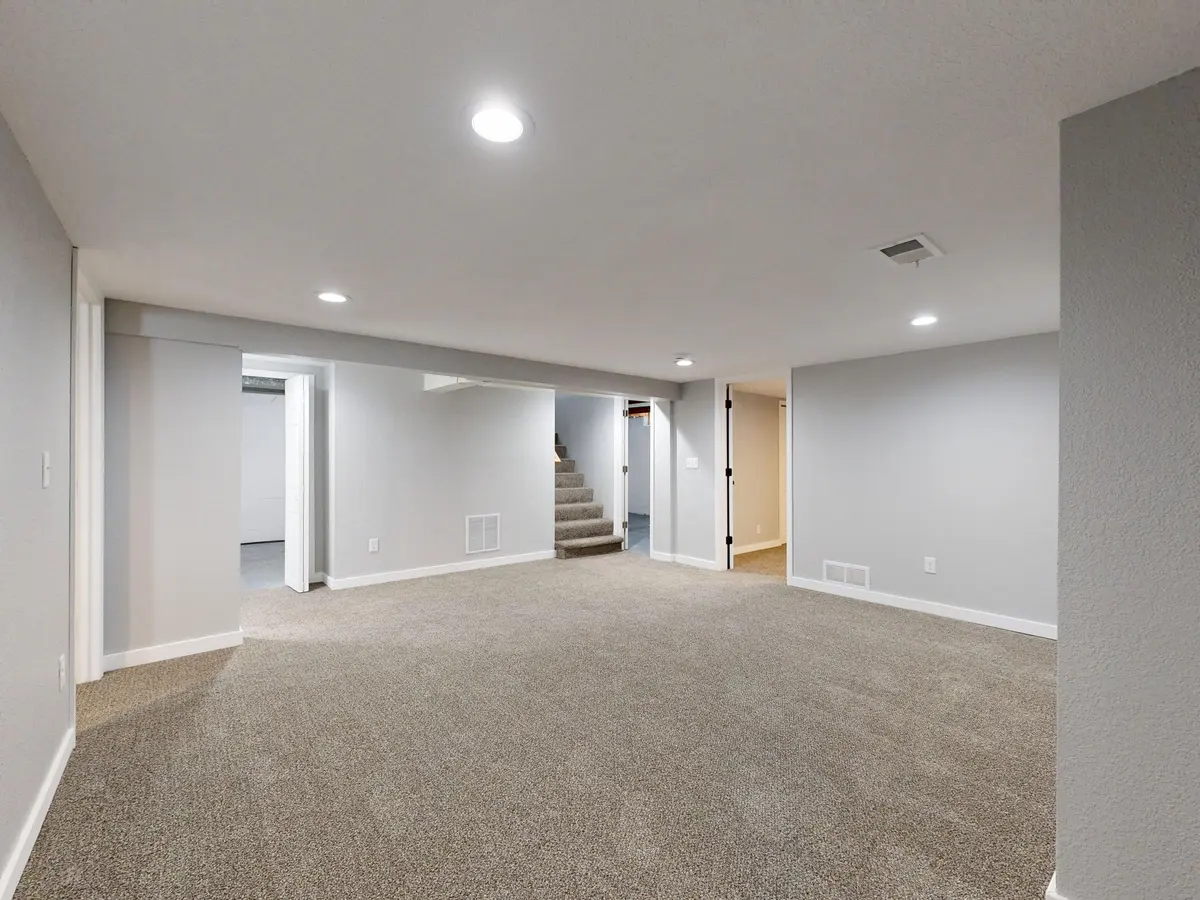
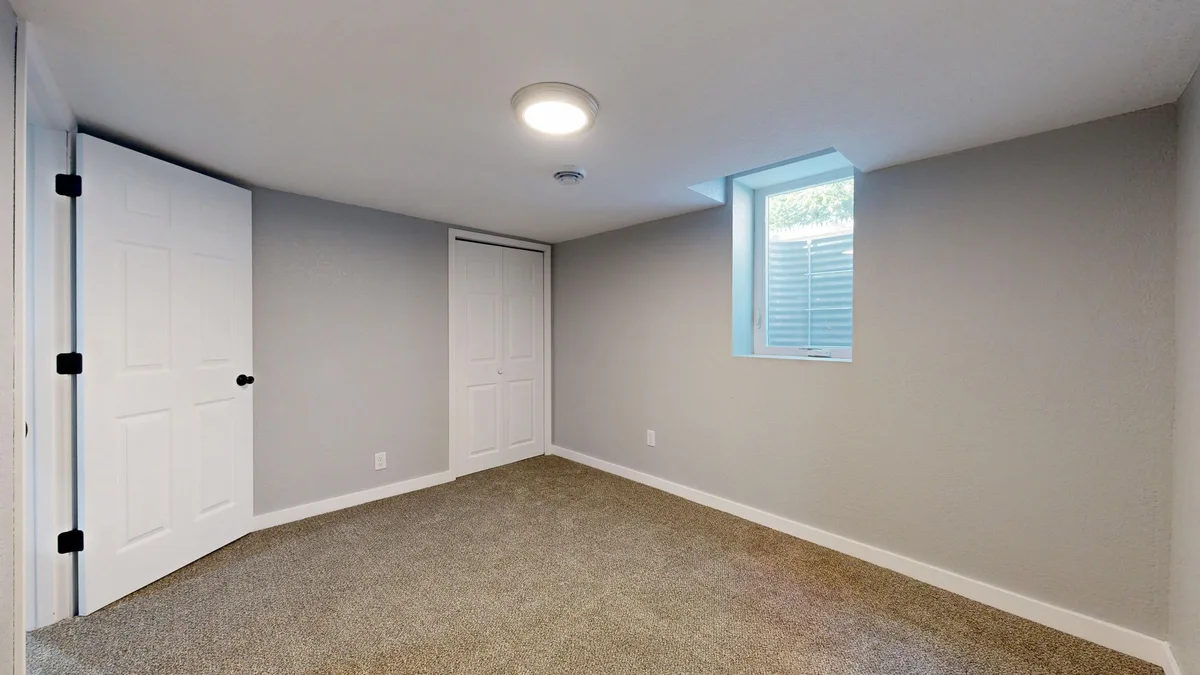
- Basements and anywhere damp — moisture behavior matters more than plushness, and it is worth asking whether luxury vinyl plank is the better answer for that room.
Once you know what you are looking at, how much it costs to carpet a bedroom walks through how the quantity and the quote are built. If you are still deciding whether the carpet you have is finished, start with when to replace carpet.
Bring the sample home before you commit
All of the above you can check at a rack. What you cannot check at a rack is color, because showroom lighting is not your lighting. Grays in particular shift undertone dramatically between a showroom and a west-facing living room at five in the afternoon.
That is the reason we bring samples to the house rather than asking you to come to us. Put the sample on the floor, look at it in the morning, look at it again in the evening, and then decide. How to choose a carpet color covers which shades hide dirt and how undertone and light change what you see.
If you want a hand reading a sample, book a free in-home estimate and we will bring a rack of them to your living room. More on the carpet side of what we do is on the carpet page.