
Laminate Flooring
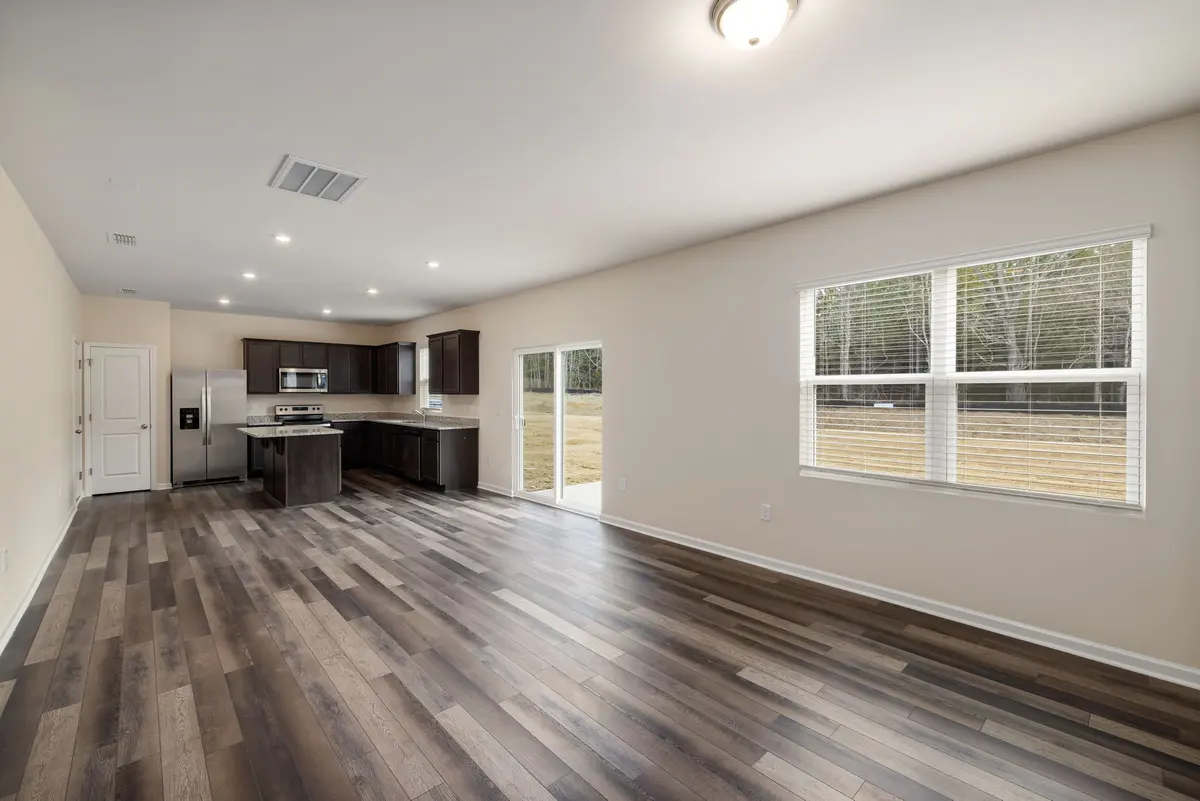
Laminate is the floor people dismiss too quickly. Modern laminate has a printed and embossed surface that reads as wood more convincingly than a lot of vinyl does, it is harder to dent, and it usually costs less for a comparable look. Its one real limitation is water: the core is wood-based, so standing water is its enemy. In a bedroom, a hallway or a living room that never sees a puddle, laminate is frequently the better buy — and we will say so even though vinyl is the easier sell.
AC ratings, and what they actually tell you
The rating is about abrasion
Laminate carries an AC rating that describes how well its surface stands up to abrasion. The lower ratings are intended for light domestic use — a spare bedroom, a room nobody walks through. The higher ones are built for heavy domestic and light commercial traffic.
The mistake we see is buying a light-use laminate for a main hallway because the price looked good. Hallways concentrate every trip anybody makes through the house into a strip a yard wide. Rate the product for the room it is actually going in, and it will last; rate it for the price, and the hallway will look tired while the bedrooms still look new.
Where laminate genuinely beats vinyl
A good laminate usually has a sharper surface texture than a vinyl at the same price, because the printing and embossing process holds finer detail. Run your hand across both and you can often feel grain that lines up with the pattern rather than a repeating texture that does not.
It is also harder. A dropped tin will dent a vinyl plank more readily than a laminate. If the room is dry and the budget is the constraint, laminate frequently gives you a better-looking and tougher floor for the money — and pretending otherwise would just be steering you to the higher-margin product.
What's included
- Crisp, realistic wood grain and embossing
- Hard surface that resists denting well
- AC rating matched to how hard the room is used
- Strong value against comparable-look vinyl
- Best in dry rooms — bedrooms, halls, living rooms
Dry rooms, honestly assessed
Bedrooms, living rooms and halls
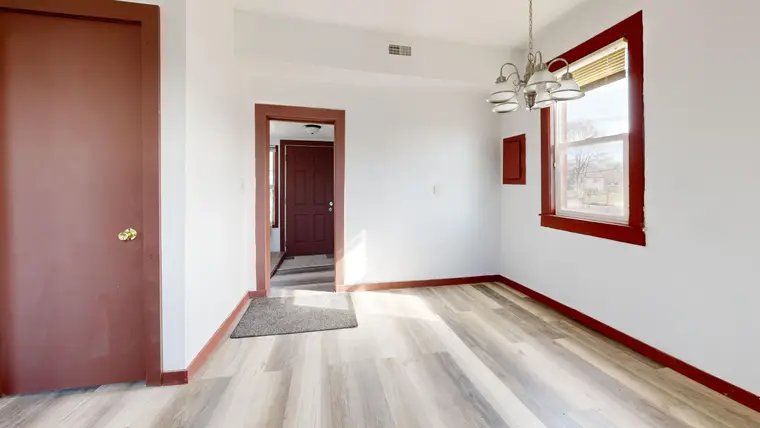
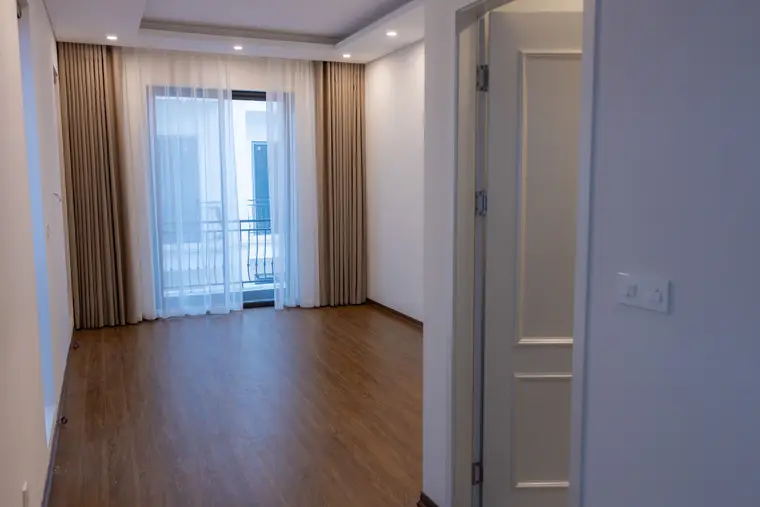
These are laminate rooms. They are dry, they want to look like wood, and they benefit from a hard surface. A laminate through the living areas of a house with a wood-look finish and matched trim reads as a considerably more expensive floor than it is.
It is also a good answer for a house where somebody wants the look of hardwood but the subfloor or the budget makes solid wood impractical. We do not install or refinish hardwood, so we are not comparing it to something we would rather sell you.
The rooms to keep it out of
Bathrooms, laundry rooms and mudrooms are not laminate rooms, whatever a box says about water resistance. Water resistance means a spill wiped up promptly will not hurt it. It does not mean a toilet overflow or a washing machine hose will not swell the core, and a swollen laminate board cannot be repaired — it has to be replaced.
Kitchens are the argument. A careful household can run laminate in a kitchen for years without trouble. A busy family kitchen with children and a dog is a room where we would point you at vinyl instead and be straight about why.
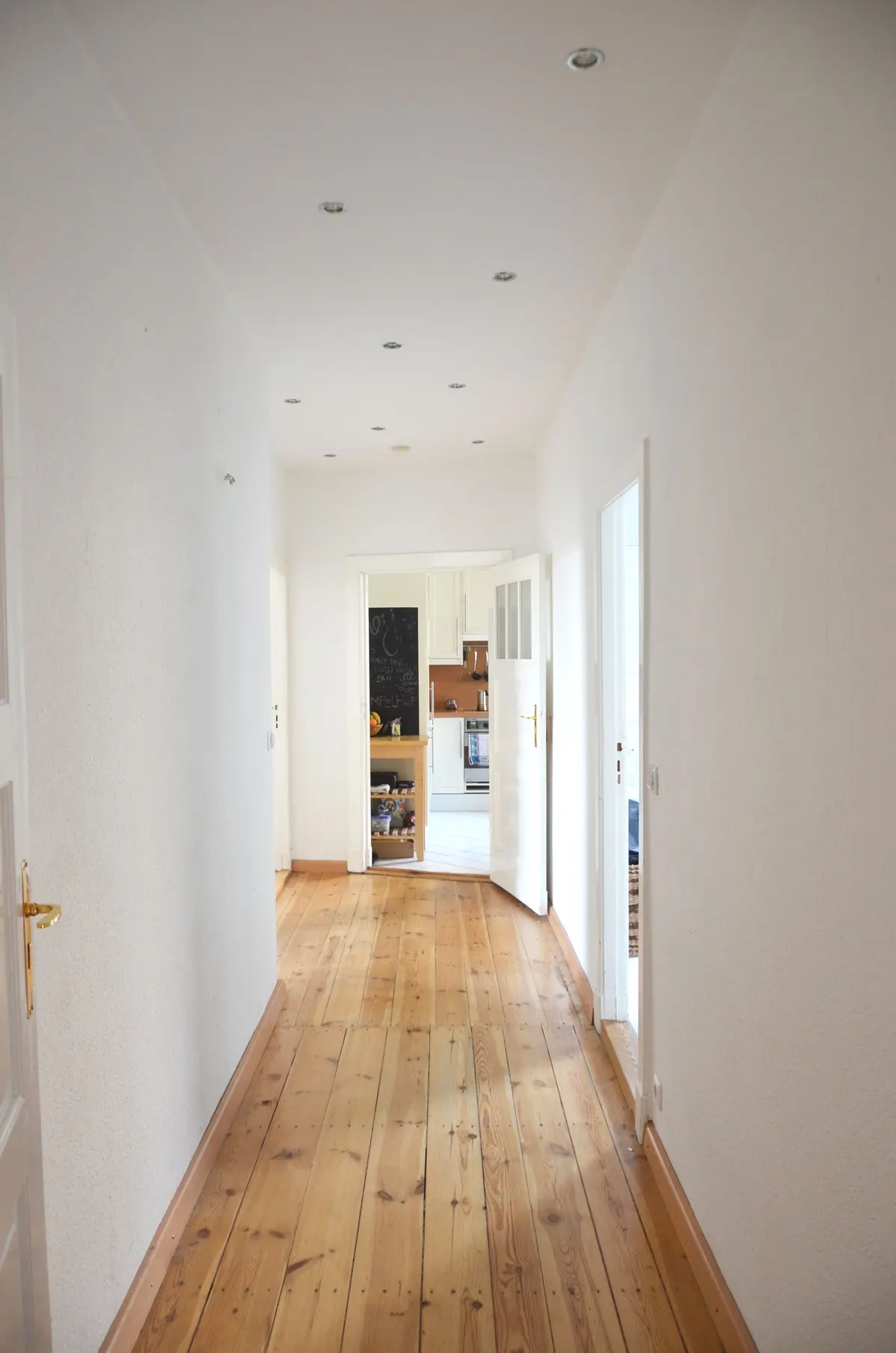
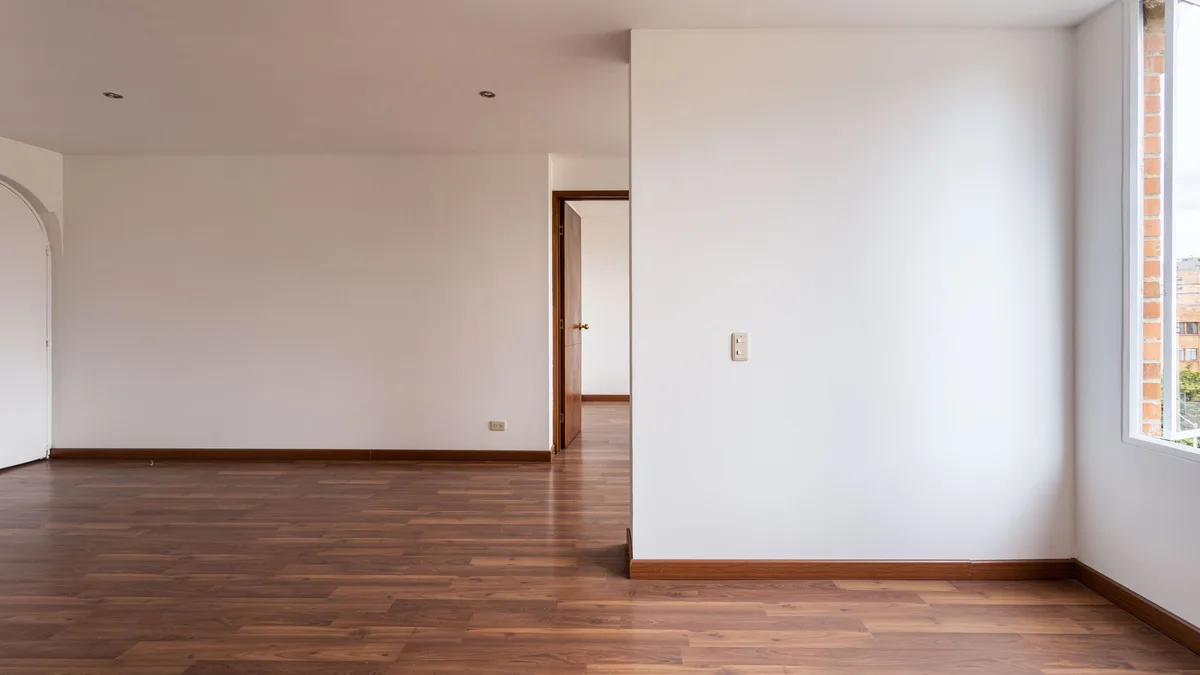
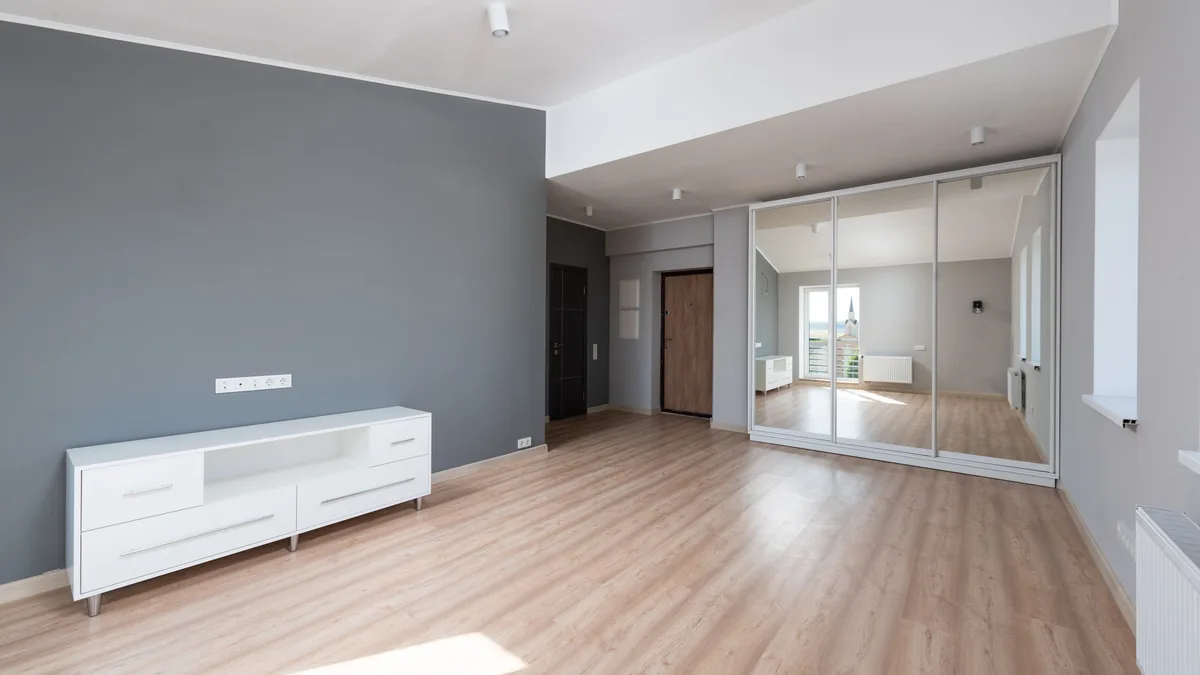
Laminate we've installed
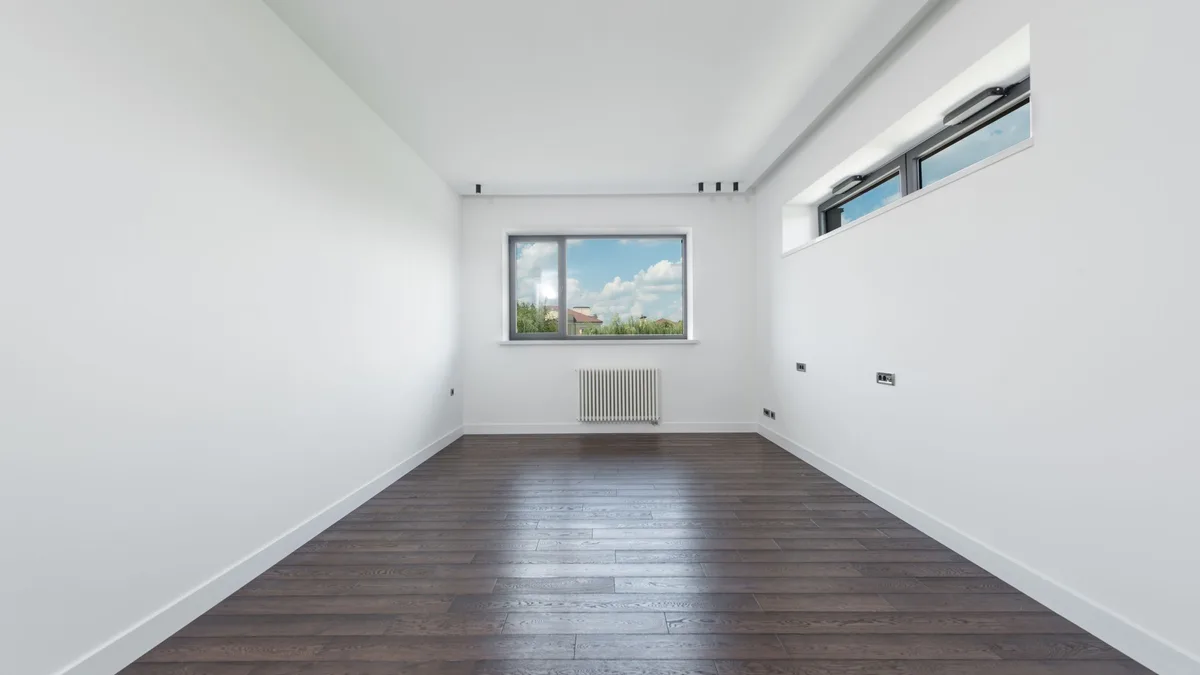
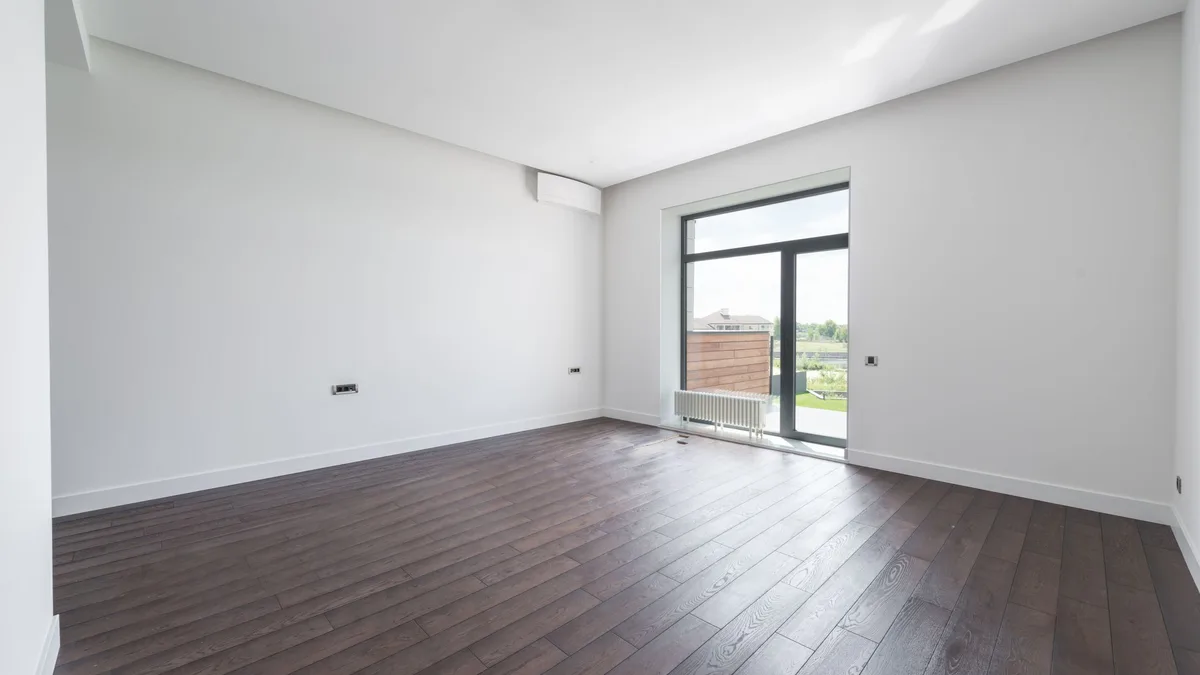
Acclimatised, gapped and underlaid properly
Let it sit in the room first
Southeast Missouri is humid, and Dexter alone takes around forty-eight inches of rain a year. Laminate has a wood-based core, so it takes on and gives off moisture with the air around it. Boards installed straight off a truck are at the truck’s moisture content, not the room’s.
So the material goes into the room it is destined for and sits there before it is installed. It is the least glamorous step in the whole job and it is the cheapest insurance available against a floor that gaps in winter or peaks in summer.
The expansion gap is not optional
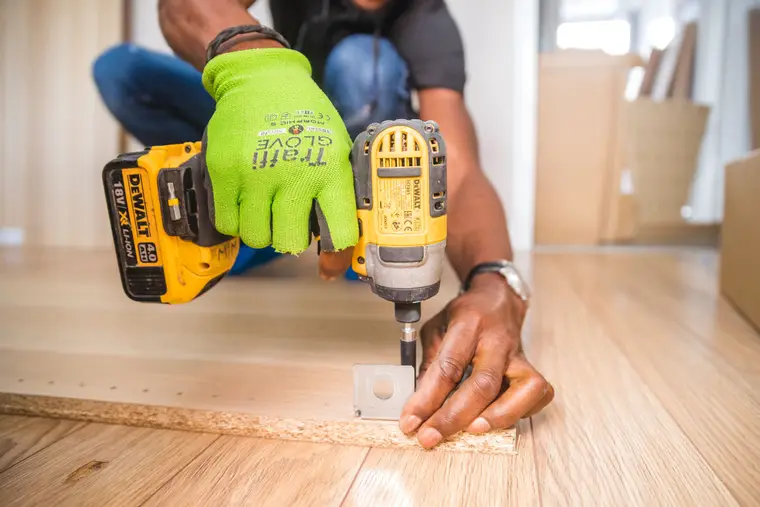
A laminate floor floats, which means it grows and shrinks slightly across a season and must have room at the perimeter to do it. That gap is left at every wall and every fixed object, and then hidden by shoe molding or baseboard so you never see it.
When a laminate floor lifts in the middle of a room, this is almost always why. It is not a defective floor, it is a floor that was fitted with nowhere to go.
Underlayment does three jobs
The right underlayment cushions the floor, quietens it, and on a slab acts as a moisture barrier. Skipping it, or using whatever was cheapest, is why some laminate floors sound hollow and loud when you walk on them.
Some laminates come with a pad already attached, which is fine, but they still need a separate moisture barrier over concrete. We will tell you which of those applies to the product you have chosen.
A laminate floor floats, which means it grows and shrinks slightly across a season and must have room at the perimeter to do it.
Laminate questions
Is laminate cheaper than luxury vinyl plank?
Often, for a comparable look — that is much of its appeal. The gap has narrowed as vinyl has become more common, so the fair answer is that they overlap. We will price both for your rooms so you can compare real numbers rather than generalities.
Can laminate go in a kitchen?
It can, and in a careful household it lasts well. In a busy family kitchen with children or pets we would steer you to vinyl instead, because a swollen laminate board cannot be repaired — it has to be replaced.
Why does laminate need to sit in the house before it is installed?
Its core is wood-based, so it takes on moisture from the air. This region is humid and Dexter alone sees around forty-eight inches of rain a year. Letting the boards settle at the room’s conditions first is what stops the floor gapping or peaking later.
Does laminate sound hollow?
It can when it is laid over the wrong underlayment or none at all. With a proper underlayment on a flat subfloor it is quiet and solid underfoot. This is one to test by standing on a sample rather than tapping it with a knuckle.
Can laminate be refinished if it gets scratched?
No — the surface is a printed wear layer, not solid wood, so it cannot be sanded back. Individual boards can often be replaced instead, which is a good reason to keep a few spare planks from the job.
Guides on laminate
The Best Flooring for an Entryway, Mudroom or Back Door
Tile, vinyl plank, laminate or carpet at the door: what holds up to mud, grit and wet boots, how to keep it from getting slick, and where the floor should change.
Should You Replace the Flooring Before Selling Your House?
When new flooring before a sale is worth it, when a deep clean or a repair will do, and how to choose a floor for a house you are about to list.
How to Clean and Care for Vinyl Plank and Laminate
Sweeping, the right way to mop each floor, what never to use, and the furniture, rug and sun habits that keep vinyl plank and laminate looking new.
Ready for your free in-home estimate?
Free in-home estimate, clear pricing, and a crew that shows up when we say we will.