A lot of the calls we get start the same way: we are putting the house on the market, and we wonder if we should do something about the floors first. The honest answer is sometimes yes and sometimes no, and we would rather tell you it is not worth it than sell you a floor you are only going to walk away from.
This is how to decide, and what to put down if you do.
What buyers actually notice
Buyers see the floors twice before they make an offer: in the listing photos and on the first walk-through. In both, they are not judging the brand or the wear layer. They are noticing a handful of things.
- Odor. Pet accidents and smoke soak into carpet pad, and a buyer smells it the moment the door opens. It is the single biggest flooring problem in a sale, and the hardest to hide.
- Stains and worn paths. A dark traffic lane from the door to the couch, or a stain in the middle of the living room, shows up in photos and makes the whole house look tired.
- Damage. Torn or peeling sheet vinyl, swollen laminate by the dishwasher, a soft spot that gives underfoot, or a curling seam.
- A patchwork of floors. Three different floors meeting in one small area makes a house look chopped up and dated, even when each floor is in decent shape.
Things buyers notice far less: a carpet that is clean but a little out of fashion, or a floor that is simply not the one they would have picked.
When new flooring is worth it
Replacing makes sense when the floor is one of those things buyers will notice and hold against the house.
- Carpet with a pet or smoke odor. Cleaning rarely fixes it, because the smell lives in the pad and sometimes the subfloor underneath. New carpet and pad, or a hard floor in its place, does.
- Carpet that is worn out, flat and gray in the traffic lanes and rippled in the middle. When to replace carpet goes through the signs.
- Damaged hard floors in the kitchen, the entry or the bathrooms, where buyers look closely.
- Anything soft or damaged underneath. A buyer's home inspector will find a soft spot or old water damage, and it is better to know and fix it on your schedule than to have it come up during the sale. The subfloor decides the job explains why it matters, and replacing flooring after a leak or flood covers the water side. Ask your agent what you need to disclose.
When it is not worth it
It is just as important to know when to save the money.
- Carpet that cleans up. A professional deep clean costs far less than new carpet, and on a carpet that is basically sound it can make a big difference in photos. How to care for carpet covers what a deep clean does and does not fix.
- A floor that is only dated. If it is in good condition, many buyers would rather choose their own floor after they move in than pay for yours.
- Small damage that can be repaired. A single damaged plank of vinyl or laminate can often be replaced on its own, especially if there is a spare box in the garage. A carpet seam or a small burn can sometimes be patched.
- Rooms buyers spend little time in. A spare room in reasonable shape matters far less than the living room, the kitchen and the main bedroom.
If you are not sure, your real estate agent is the person to ask. They know what buyers in your price range and your part of town expect, and what the houses you are competing with look like.
If you do replace, choose for the buyer, not for you
The flooring in a house you are selling has a different job from the flooring in a house you are staying in. It needs to look clean and current in photos, suit as many buyers as possible, and not look cheap.
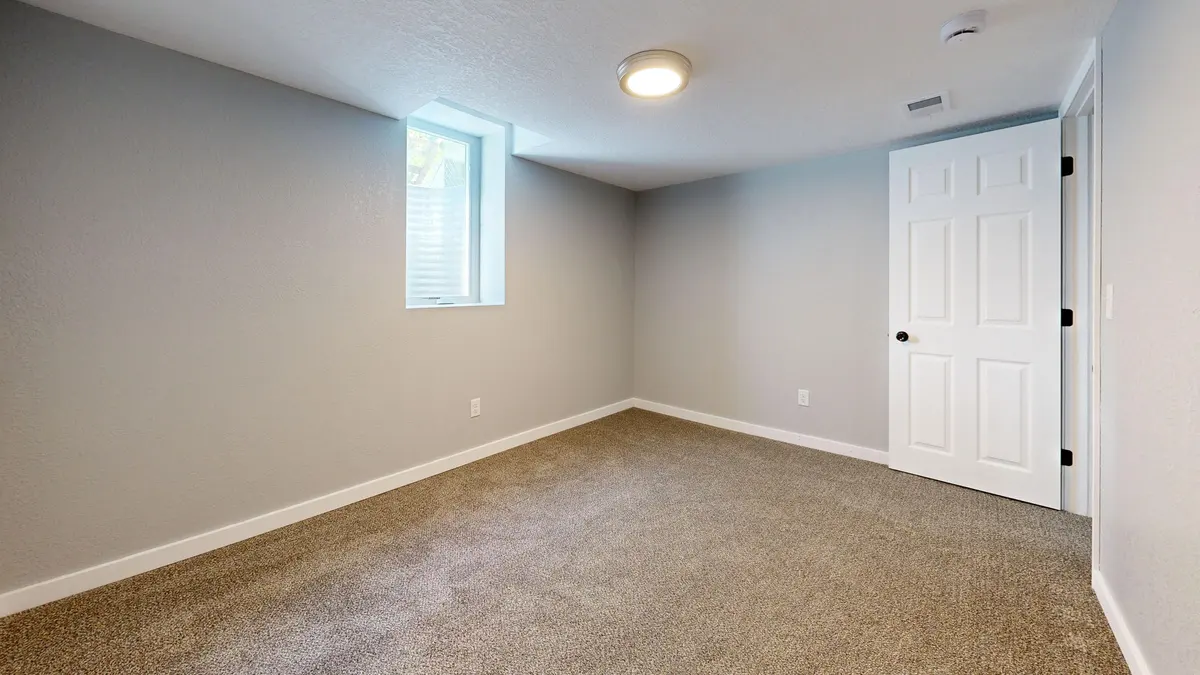
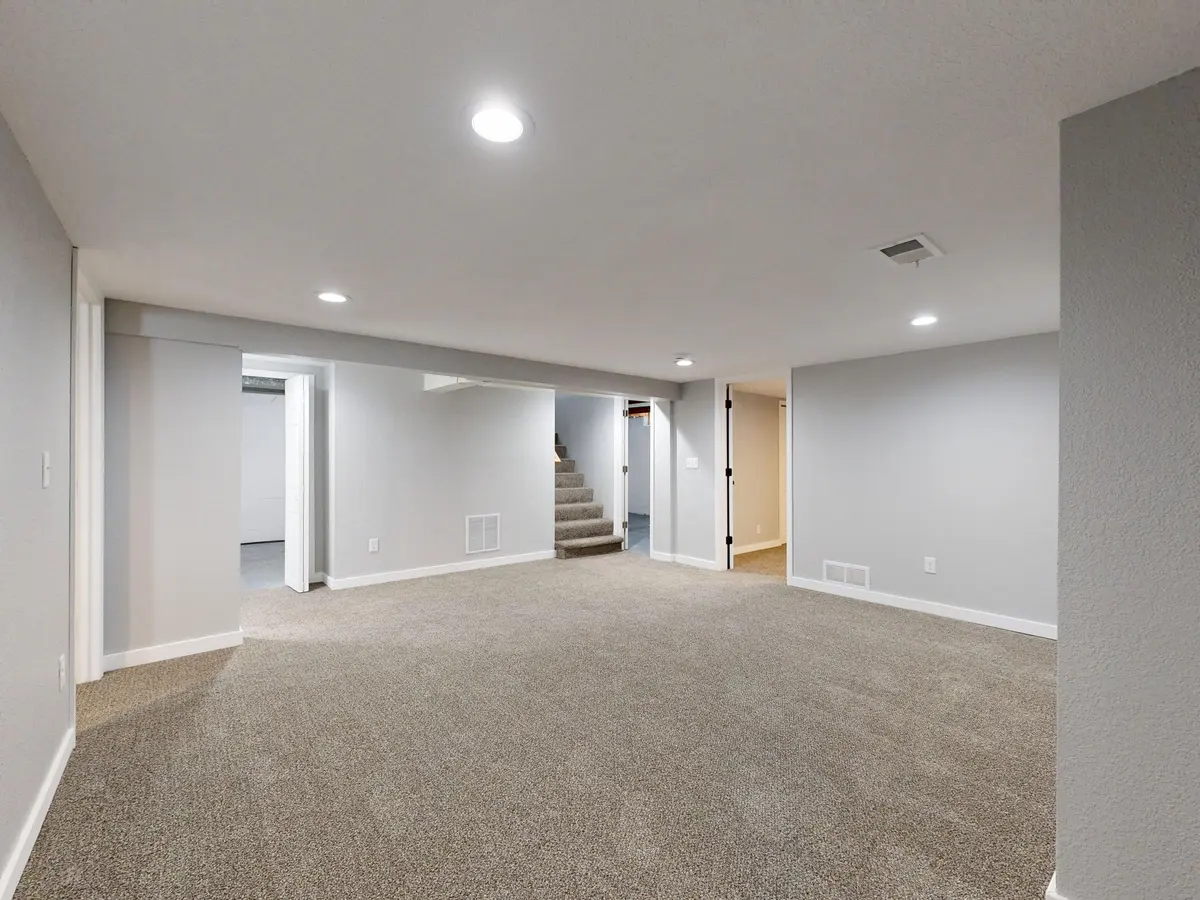
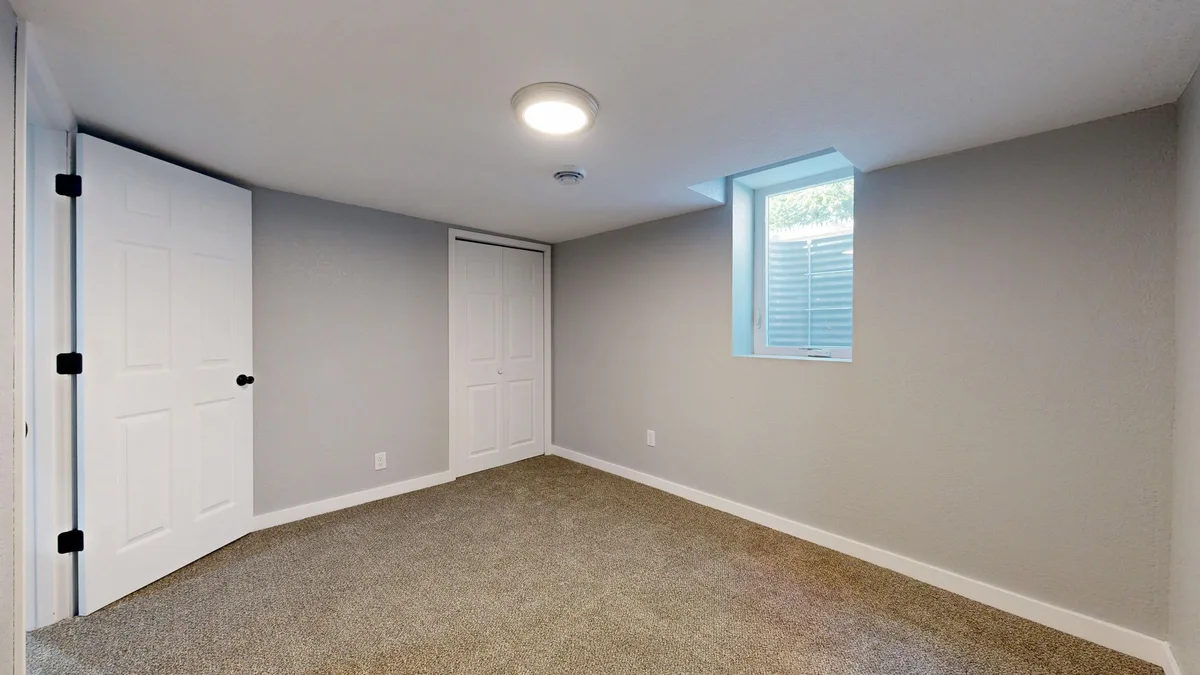
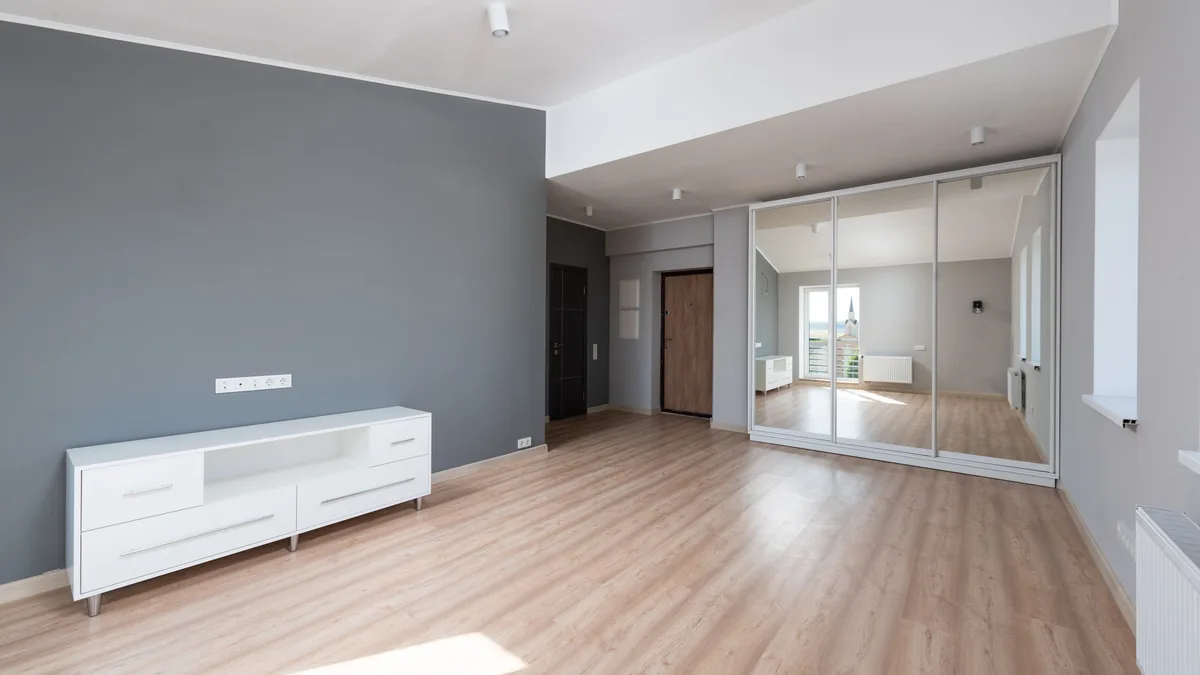
- Stay neutral. A mid-tone wood look on the hard floors and a neutral beige or warm gray carpet suit almost any furniture, and they photograph well. How to choose a carpet color covers why mid-tones work.
- Run one floor through the main living areas. A single luxury vinyl plank or laminate floor through the kitchen, dining and living room makes the space look bigger and more open, in person and in photos. LVP or laminate in a Bootheel home helps you choose between them.
- Keep carpet in the bedrooms if that is what fits the house. Plenty of buyers still want carpet where they sleep, and it is usually less expensive than a hard floor in those rooms. Carpet or vinyl plank room by room goes through the usual split.
- Buy the middle of the range. There is little point in the top of the line for a house you are leaving, but the very cheapest products can look and feel cheap, and buyers do notice. A sensible mid-grade product is the usual answer.
- Do the trim and transitions properly. New flooring with old, gapped quarter round or a missing transition strip looks unfinished in a listing photo. Stairs and trim covers the finishing work.
Timing
The floors should be done before the listing photos are taken, because those photos are what most buyers see first.
1. Call early. As soon as you know you are selling, get an estimate. That gives time to order the material and get on the schedule without holding up the listing date. 2. Do the floors after the painting. Paint first, floors second, so nobody is dripping on a brand-new floor. 3. Do them before staging and photos. It is much easier to install in a room that is already packed up or emptied out. Getting your house ready for installation day covers the rest. 4. Leave the leftovers. Put the spare carpet pieces or the extra box of plank in the garage for the new owners. It is a small thing that can save them a big repair later.
Get a straight answer for your house
We will come out, look at the floors you have, and tell you honestly which rooms are worth replacing before a sale and which are better left alone or cleaned. You get a written estimate, so you and your agent can weigh it against the asking price. Book a free in-home estimate or call 573-471-8700. We are based on Virginia Street in Sikeston and work across the area, including Cape Girardeau, Scott City and Portageville.