Carpet is the floor we sell more of than any other, and the color is the part people agonize over most. It is also the part they are most likely to regret, usually because the color that looked perfect on a hand-sized sample under store lights shows every footprint once it covers a whole bedroom. A few simple rules take most of the guesswork out of it.
Mid-tones hide the most
Every carpet color shows something. The question is what.
- Light colors like cream, ivory and pale gray show soil, spills and the darker traffic lane from the door to the bed. They brighten a room beautifully and they ask for more vacuuming and more care.
- Dark colors like charcoal, navy and deep brown hide soil well, but they show the opposite: lint, light pet hair, dust and the pale fuzz that comes off socks and blankets. They also show sun fading more plainly, because the faded patch is so much lighter than the rest.
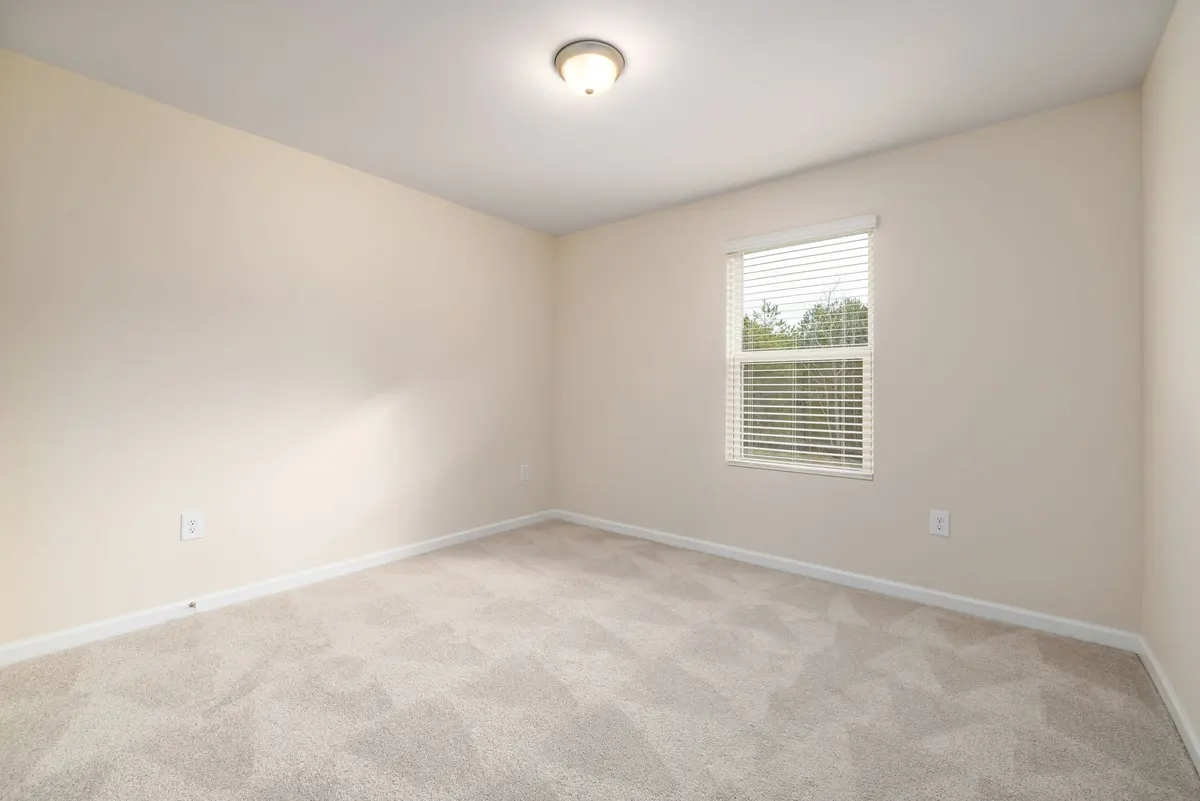
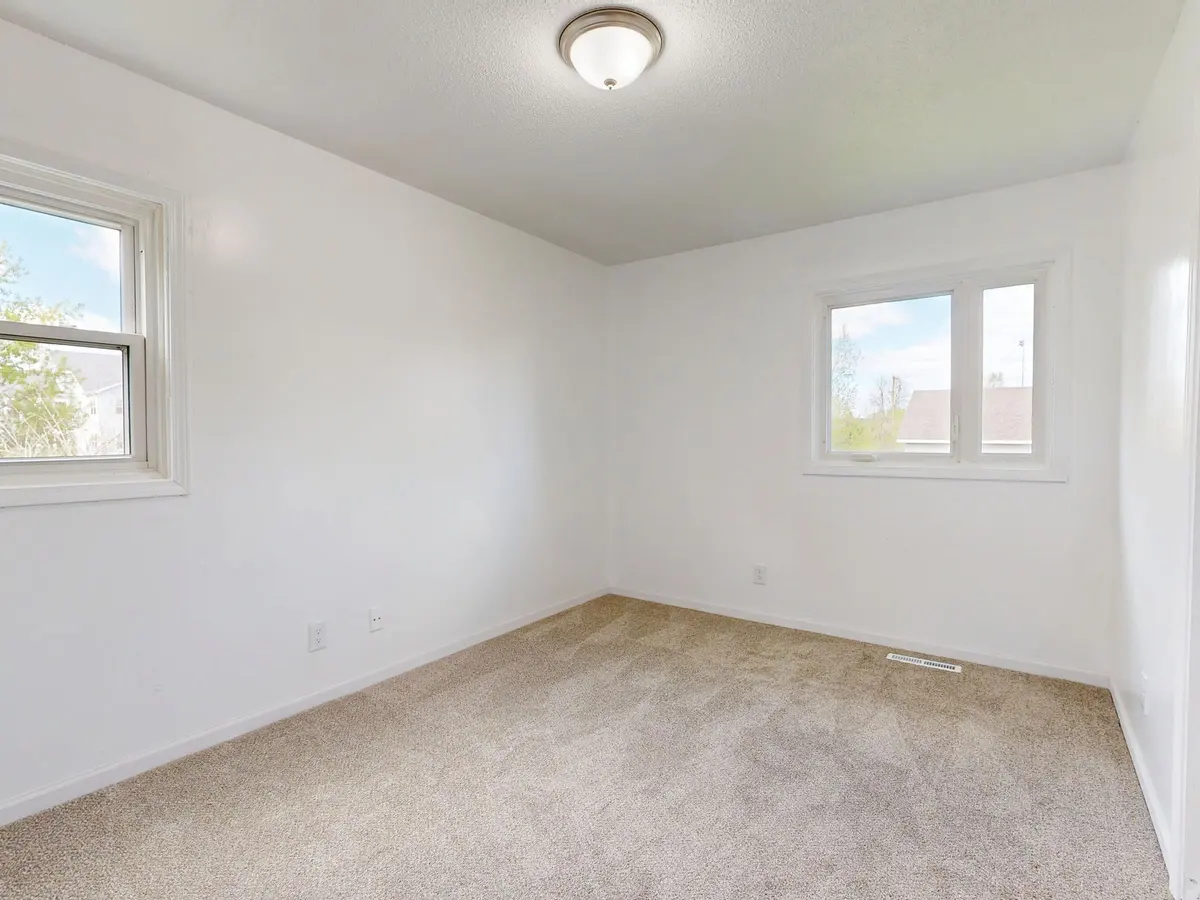
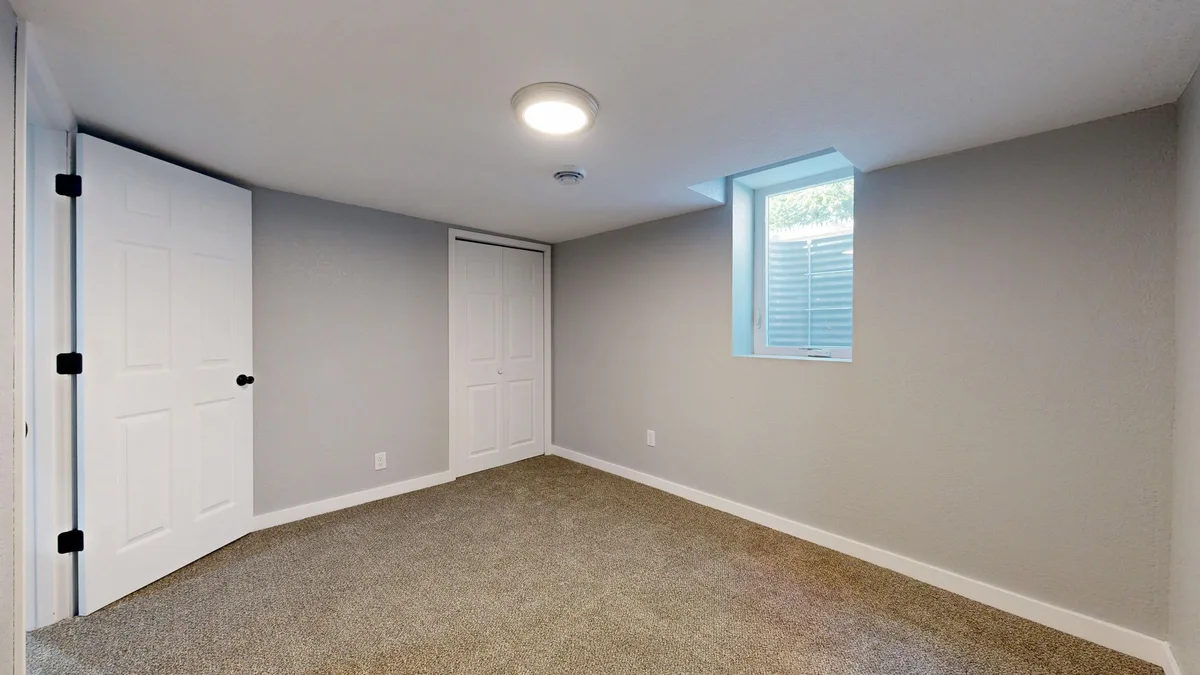
- Mid-tones like beige, taupe, greige, warm gray and soft brown sit in the middle, so they hide both kinds of dirt reasonably well. That is why so much of the carpet in Bootheel houses is some shade of beige. It is not a lack of imagination. It works.
Match the dirt you actually have
The most practical way to pick a shade is to look at what comes into your house. Look at the dirt on the boots by the back door and the color of the dog. A carpet close to those colors will hide them, and a carpet that contrasts with them will show them off.
A household with a yellow lab and a cream carpet will be vacuuming every day. The same household with a warm, sandy beige will be vacuuming when the carpet needs it.
Tones and flecks hide more than solids
A single solid color shows everything that lands on it, because the eye has nothing else to look at. A carpet with two or three tones in the yarn, a subtle fleck, or a tweed look breaks up the surface, so a crumb, a small stain or a slightly flattened path is much harder to spot.
The style of the carpet plays into this too. A frieze or a textured cut pile hides footprints and vacuum marks better than a smooth, plush surface, and a flecked berber is about as forgiving as carpet gets. Cut pile, frieze or berber? goes through each style and the rooms it suits.
Light changes everything
The same carpet can look like two different colors in two different rooms.
- Window direction matters. A room with north-facing windows gets cooler, grayer light all day, and a gray carpet can look cold and flat there. A room with south or west windows gets warm afternoon light that pushes beiges toward yellow.
- Bulbs matter. Warm bulbs make a carpet look warmer, and cool daylight bulbs make it look grayer and bluer. Look at a sample with the lights you actually use in the evening.
- Look at it on the floor. A sample held up at eye level catches light differently from one lying flat. Put it where the carpet will go and stand over it the way you will be standing over the real thing.
- Look more than once. Check it in the morning, in the afternoon and with the lamps on at night before you decide.
This is the whole reason we bring the samples to your house instead of asking you to choose under store lights. Why we bring the samples to you explains the rest of it.
One more thing about small samples: a color spread across a whole room often reads stronger than it does in your hand. If you are torn between two shades, the one that seems a little too plain on the sample is often the one that looks right on the floor.
Watch the undertone
Beyond light and dark, every neutral leans warm or cool. Beiges and tans lean toward yellow, pink or red. Grays lean toward blue or green, and a greige sits in between.
The carpet does not need to match the walls, but the undertones should get along. A warm beige next to cool blue-gray walls can make both look slightly off. Hold the sample against the wall color, the trim and any wood in the room, such as doors, cabinets or furniture.
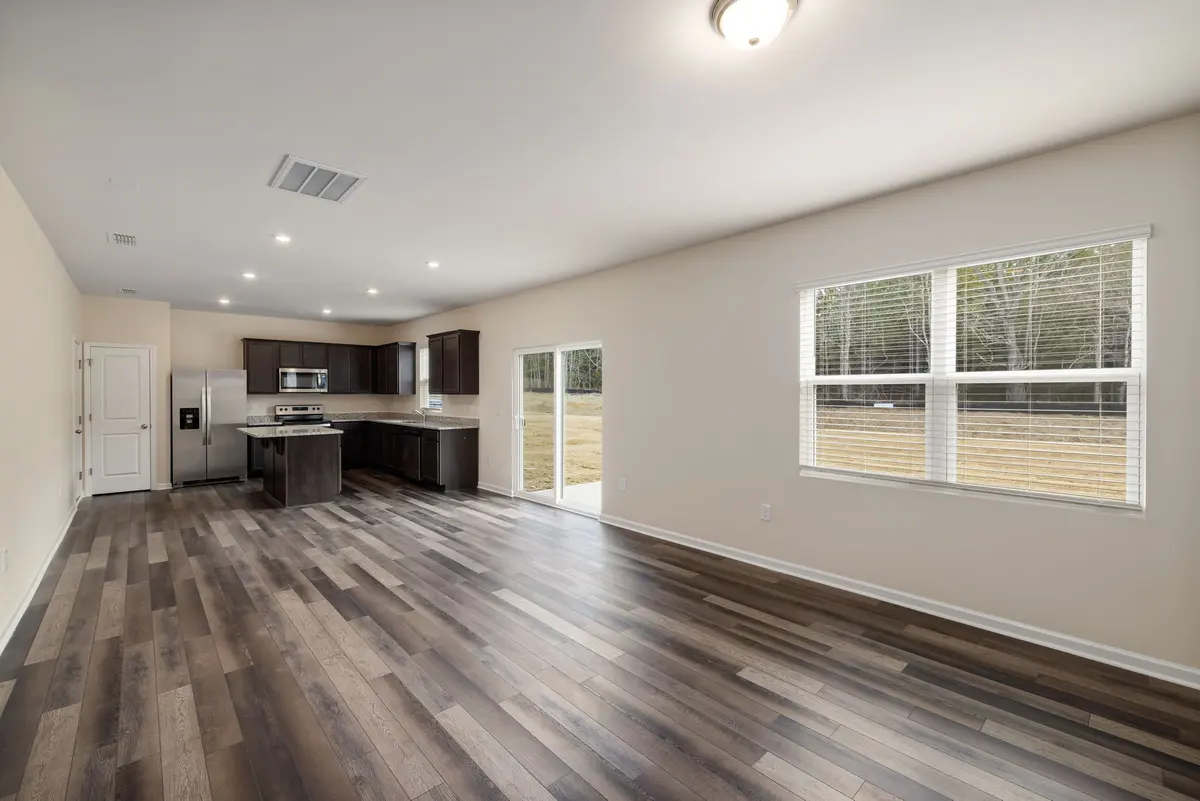
It matters most where the carpet meets another floor. If the hallway is going to be vinyl plank and the bedrooms carpet, look at the two samples side by side, because you will see that line every day. Floor transitions and doorways covers where that line should fall.
The fiber affects how long the color lasts
Color is not only about the day it goes down. Some carpets hold their color much longer than others.
- Polyester holds rich color very well and resists many common stains, which is a big part of why it is so popular in bedrooms.
- Solution-dyed fibers have the color built right through the yarn instead of added to the surface, so they resist fading and are much harder to bleach out. They are worth asking about for a sunny room or a house with kids and pets.
- Sunny rooms fade carpet no matter what, over the years. A slightly lighter or warmer tone hides gradual fading better than a deep, saturated color.
How to read a carpet sample covers the fiber, density and pad questions that decide how the carpet wears.
A quick guide room by room
- Bedrooms: the one place you can go lighter or bolder, because traffic is low and shoes mostly stay out.
- Living rooms and family rooms: a mid-tone, ideally with some texture or fleck, since this is where the traffic lanes form.
- Hallways and stairs: a mid-tone to slightly darker shade with a tone or fleck in it. These take the most wear in the house, and carpet or vinyl plank on the stairs covers what else matters there.
- Kids' rooms and playrooms: a multi-tone or flecked carpet in a mid shade that will forgive juice, crayon and craft projects.
- A house you may sell in the next few years: stay neutral. A bold carpet is a personal choice, and buyers tend to read it as one more thing to replace. Should you replace the flooring before selling your house? goes into that decision.
Choose it in your own house
If you are deciding between a few colors, the best thing you can do is see them in your own rooms, in your own light, next to your own walls. At a free in-home estimate we bring the samples to you, lay them on the floor where the carpet will go, and give you an honest opinion on what will hide the dirt your household actually makes. Book one here or call 573-471-8700. We are on Virginia Street in Sikeston and work across the area, including New Madrid, Dexter and Cape Girardeau.