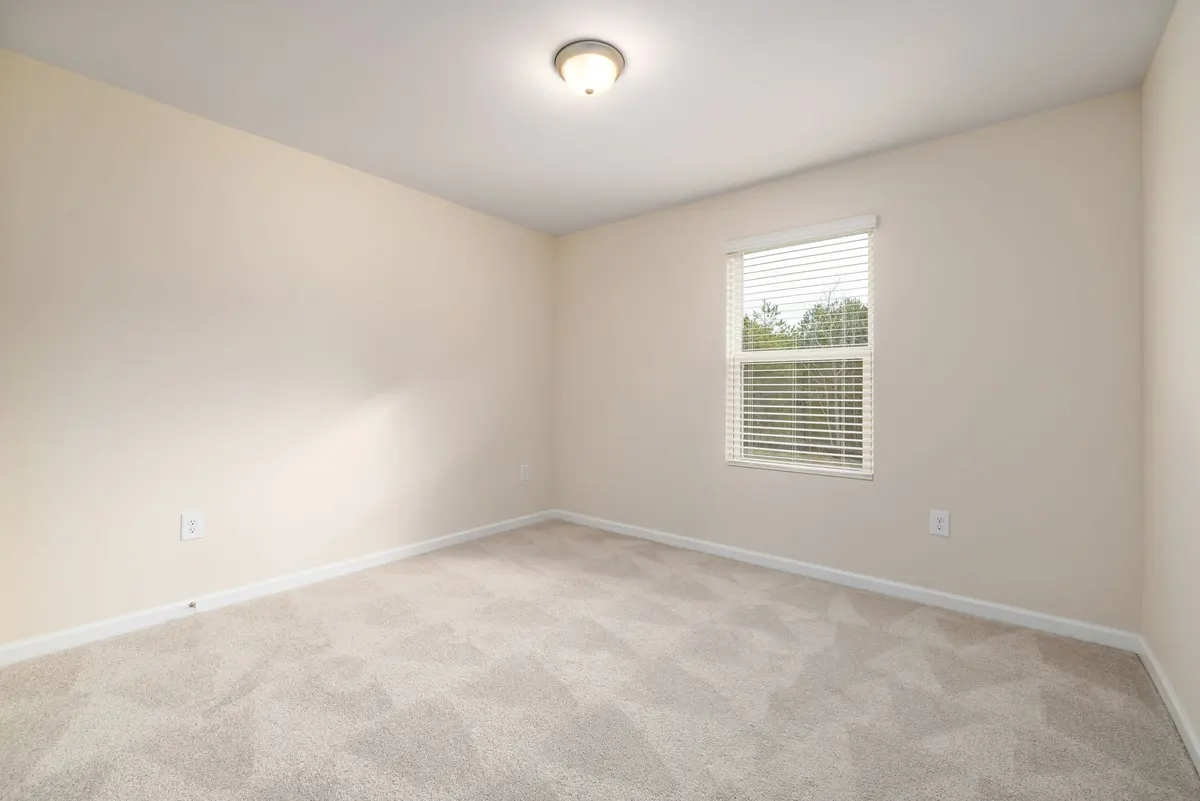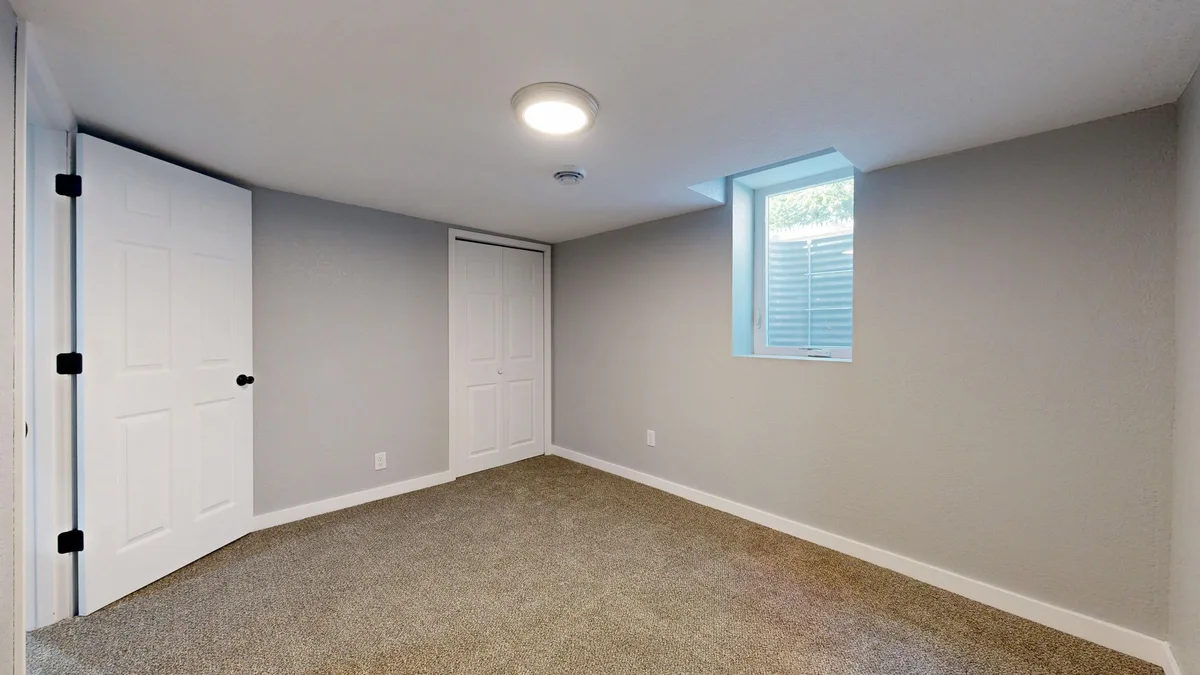
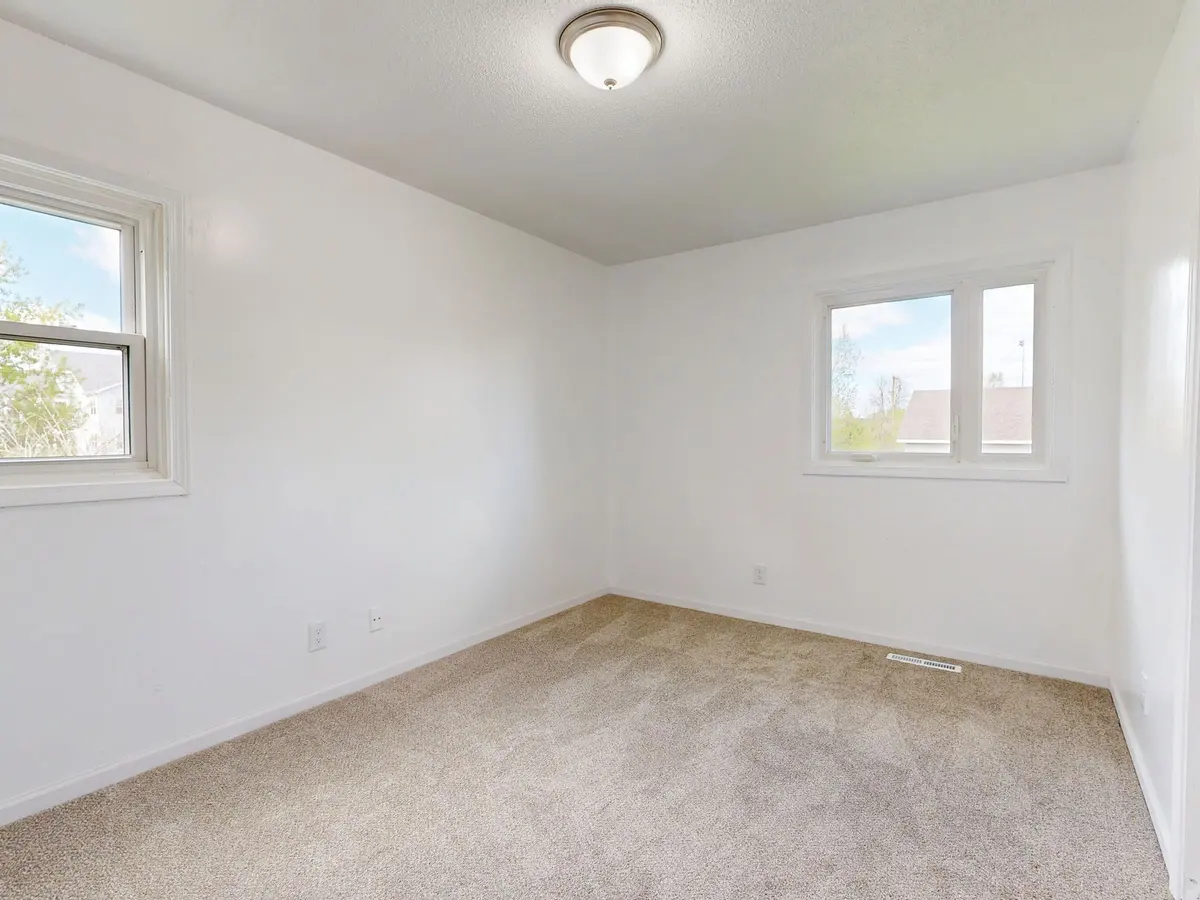
Once you have decided a room is getting carpet, the next choice is the style, and it changes more than the look. The way the yarn is formed decides how soft the carpet feels, whether it shows footprints, how it holds up in a hallway and whether the dog can pull a thread out of it. We carry cut pile, twist and loop carpets, and at an estimate we lay them side by side on your floor. This is what you are looking at when we do.
Cut pile and loop: the basic split
Carpet is made by stitching yarn through a backing in loops. What happens next makes the style.
- Cut pile: the tops of the loops are cut, so every tuft stands up as two loose ends of yarn. This is the soft carpet most people picture in a bedroom.
- Loop pile: the loops are left whole. The surface is firmer and flatter, and it tends to stand up to traffic well because there are no loose ends to fray.
- Cut and loop: both in the same carpet, set at different heights to make a pattern.
Within those groups, how tightly the yarn is twisted and how long the tufts are make the rest of the difference.
Plush or Saxony
A dense cut pile with tufts of an even height and a smooth, velvety top.
- Feels: soft and formal. It looks the most like a classic carpet.
- Shows: every footprint and every vacuum stroke. Some people love the fresh-vacuumed lines, and some find them maddening.
- Belongs in: bedrooms, a formal living room, anywhere the traffic is light and you want the room to feel finished.
- Avoid in: the hallway, the family room and the path from the back door, where the lanes will show quickly.
Textured cut pile
The most common carpet in houses around here, and for good reason. The tufts are twisted and set at slightly uneven heights, which gives the surface a soft, flecked look.
- Feels: soft, though not quite as smooth as plush.
- Shows: very little. The uneven surface hides footprints, vacuum marks and a fair amount of everyday dirt.
- Belongs in: almost anywhere in the house. Bedrooms, living rooms, family rooms and hallways all suit it.
- Worth knowing: quality varies a lot within this one style. Density and twist decide how long it keeps its look, and how to read a carpet sample shows you how to check both with the sample in your hand.
Frieze
A cut pile with long, very tightly twisted tufts that curl over in different directions, which gives it a casual, slightly shaggy look.
- Feels: soft and a little nubby, with more texture than plush.
- Shows: almost nothing. Frieze is one of the best styles at hiding footprints and traffic, because the tufts already lie every which way.
- Belongs in: family rooms, basements and busy households. A short frieze is also a good choice on stairs.
- Worth knowing: the long tufts can trap pet hair and need a slow pass with the vacuum.
Berber and level loop
Loop carpet with all the loops at the same height. Berber traditionally means a thick, chunky loop, often in a flecked color, and you will hear the name used for most loop carpet.
- Feels: firm and flat, not soft. Some people find it too hard for a bedroom.
- Shows: little. It hides traffic well and does not hold footprints.
- Belongs in: a home office, a game room, a basement or a hallway, where firmness and durability count for more than softness.
- Worth knowing: a large, loose loop can catch a claw, a toy or a chair wheel and get pulled. If a loop does snag, trim it level with scissors, do not pull it. In a house with dogs or cats, choose small, tight loops or a cut pile, and the best flooring for dogs and kids covers the rest of the house.
Patterned loop and cut-and-loop
Loops at different heights, or a mix of loops and cut tufts, arranged into a pattern such as a grid, a wave or a subtle geometric shape.
- Feels: varies with the pattern and the yarn.
- Shows: very little. The pattern disguises wear and dirt better than any plain carpet.
- Belongs in: living rooms, dens and offices where you want texture or a bit of design underfoot.
- Worth knowing: a pattern has to line up at every seam and doorway. That takes more care in the install and can mean buying a little more carpet to match the pattern repeat, which shows up in the measure.
Room by room
A rough guide to where each style usually ends up:
- Bedrooms: plush if you want the softest floor, textured if you would rather not see footprints.
- Living and family rooms: textured cut pile or frieze. Patterned loop if you like the look.
- Hallways: a dense textured cut pile or a tight loop. Traffic lanes form in hallways first.
- Stairs: a dense textured cut pile or a short frieze that wraps over the nosing without grinning. Carpet or vinyl plank on the stairs covers the rest of that job.
- Basements and game rooms: frieze or a tight loop, and in a room that ever gets damp, vinyl plank may be the better floor altogether.
- Homes with pets: textured cut pile or frieze. Avoid large loops.
Style is only half of it. Two carpets in the same style can wear very differently, because the fiber, the density and the pad underneath decide how long the look lasts.
See them on your own floor
The fastest way to choose is to stand on the samples in the room they are for. At a free in-home estimate we bring a range of styles to your house, lay them down in your own light, and tell you which ones suit how the room is actually used. Book one here or call 573-471-8700. More on what we carry is on the carpet page. We work from Virginia Street in Sikeston out to East Prairie, New Madrid, Cape Girardeau and the towns between.