A floor in a house with dogs and children is not walked on. It is run on, slid on, sat on, spilled on, and, at some point, thrown up on. It takes claws on the way in from the yard and a cup of juice tipped over during a movie. Most flooring advice is written for a quieter house than that.
This is what actually holds up, room by room, in a busy Bootheel house with a dog or two and kids, and the two places where the dog and the kids want different things.
What dogs do to a floor
Three things: scratch it, wet it, and track onto it. Claws scratch any floor eventually; the question is whether the scratches show. Water bowls, accidents and the wet dog coming in from the rain reach the seams of a floor and, if the floor is not waterproof, the subfloor under it. And mud, hair and dust land on it daily, so the color decides how often you notice.
What kids do to a floor
Spill on it, drop things on it, and live on it. A child's relationship with the floor is closer than an adult's: they sit on it, build on it, fall on it. So softness and warmth matter in the rooms where they play, and cleanability matters in the rooms where they eat.
Luxury vinyl plank: the answer in most rooms
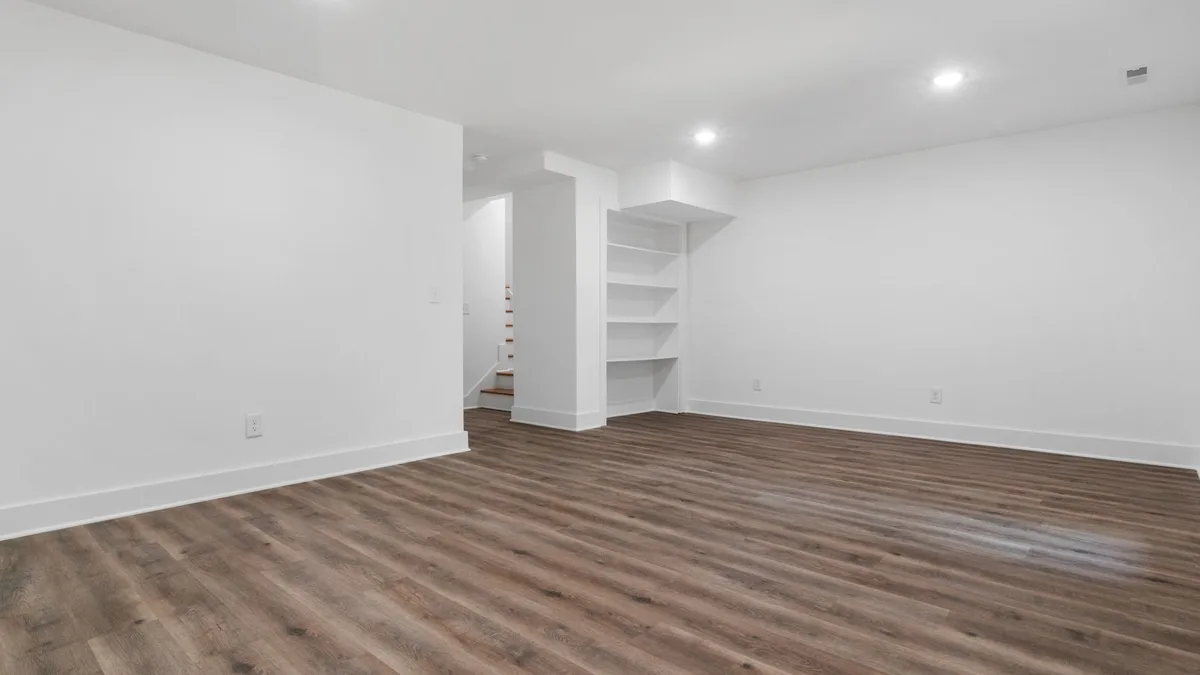
Luxury vinyl plank is what we recommend for the kitchen, the entry, the hallway, the living area and the playroom in a house with dogs, and it is not close. It is waterproof, so the bowl and the accident stay on top. A plank with a proper wear layer resists claw scratches, and the marks that do happen disappear into an embossed texture. It cleans with a mop. A damaged plank can be replaced on its own.
Three choices inside the category matter more than the brand. The wear layer is the clear coat on top; a thin one shows scratches within a year under a big dog and a thicker one does not. It is the main difference between a cheap plank and a good one and it is the number to ask about; how to choose vinyl plank explains how to read it. The texture: a matte, embossed surface hides fine scratches and paw prints; a smooth, glossy one shows every one. The color: mid-tone wood looks hide hair and dust; very dark planks show every hair and very light ones show every muddy print.
A rigid-core plank is also quieter under claws and firmer under a running child than a thin flexible one.
Carpet: the answer in bedrooms, and only there
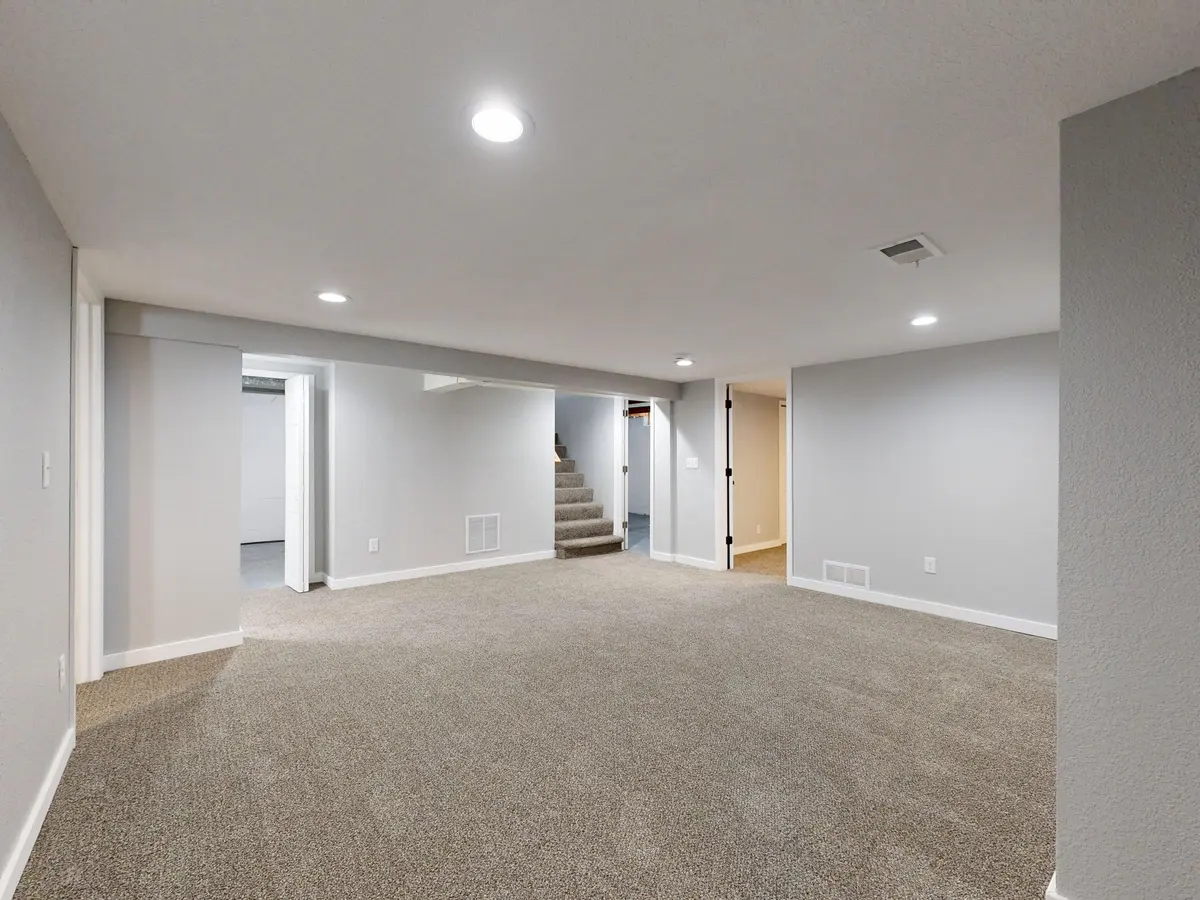
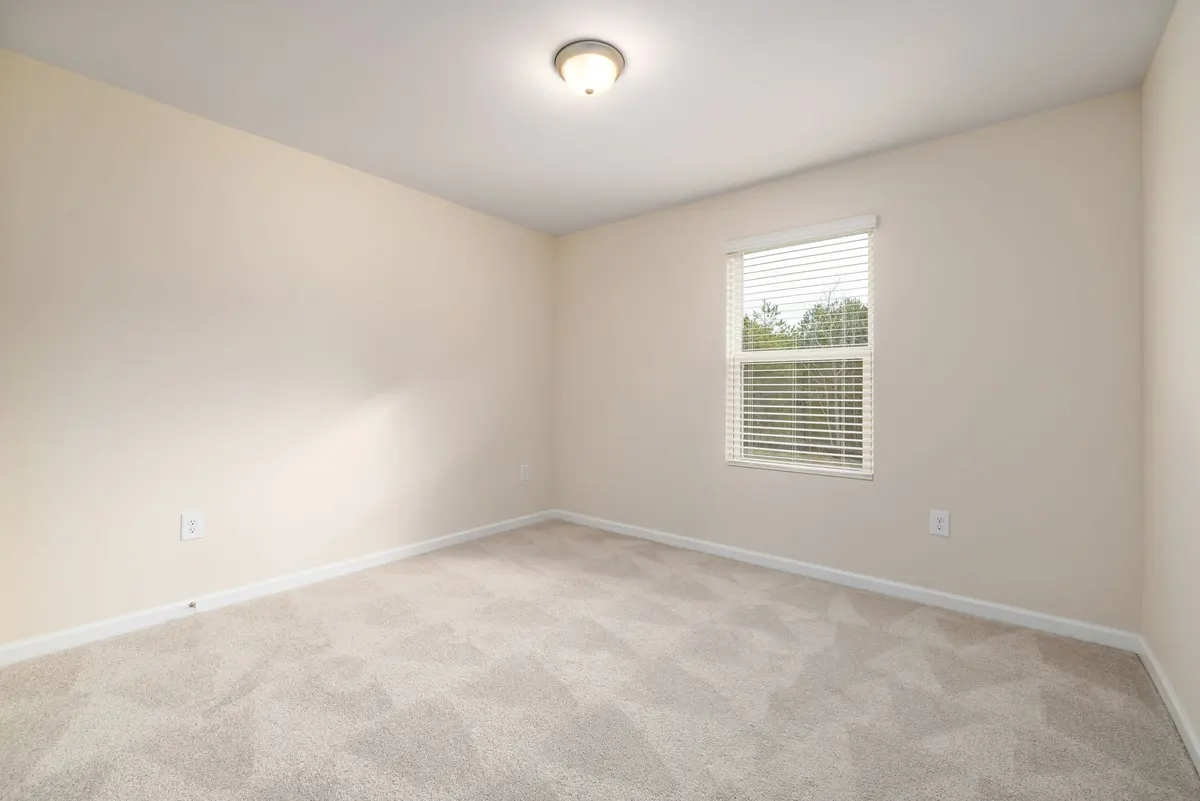
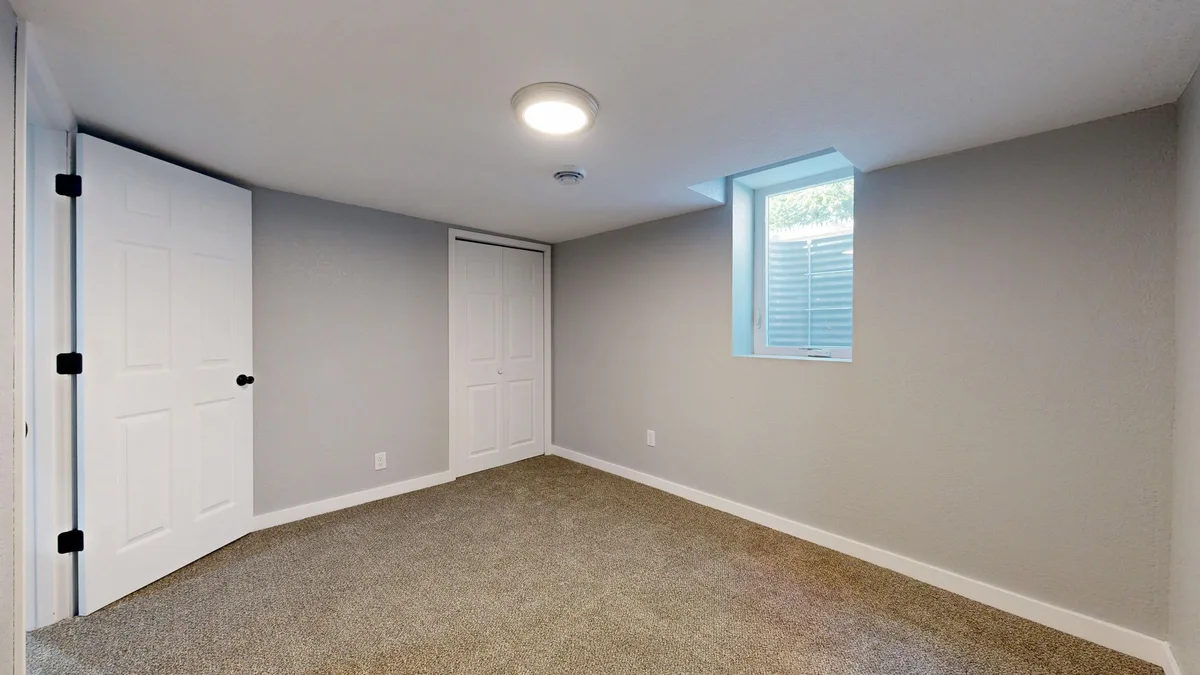
Children sit and play on bedroom floors, and no hard surface is as good for that as carpet. It is warm over a crawl space, soft under a fall, and quiet for a house where someone is always asleep. For kids' rooms we recommend a stain-resistant polyester or a solution-dyed fiber, which is colored all the way through so a stain cannot bleach differently from the surrounding fiber, in a mid-tone, on a good pad. How to read a carpet sample covers the labels.
Dogs and carpet do not mix. An accident on carpet reaches the pad and the subfloor, and the smell does not come out. A dog that scratches at a door will pull the pile. If the dog sleeps in a child's bedroom, that is the room where a vinyl plank and a large washable rug beat carpet.
Laminate: good for claws, bad for bowls
Laminate is harder than vinyl and resists scratches very well, which makes it tempting for a dog house. Its weakness is water. The core is wood-based, and a water bowl that gets knocked over every other day, or a puppy in training, will eventually swell it at the seams. In a dry living room or hallway with an adult dog it is a good, often cheaper, choice. In the kitchen or anywhere the dog drinks, choose vinyl. LVP or laminate in a Bootheel home goes through the trade-off.
Tile: the mudroom and the bath
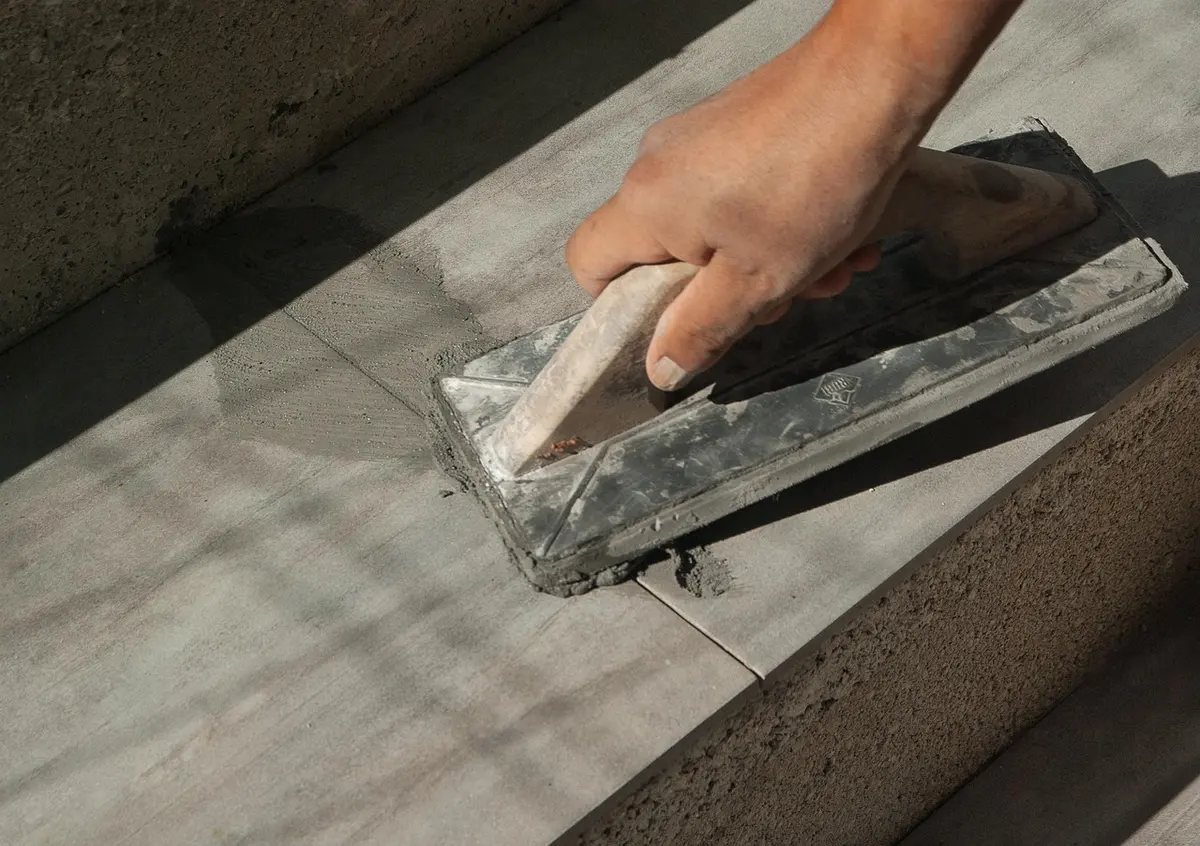
Tile does not care about water, claws or mud, and in a mudroom or back entry where the dog comes in wet, or in a bathroom, it is the permanent answer. It is hard and cold under a child, and grout takes work to keep clean, so it stays in the wet rooms.
The two rooms where the dog and the kids disagree
The family room. Kids want carpet to sprawl on. The dog makes carpet a bad idea. The compromise most families land on is vinyl plank with a large, washable rug in the sitting area: the rug gives the kids a soft place and can go in the wash or be replaced, and the plank underneath is waterproof.
The bedroom where the dog sleeps. Same answer. Vinyl plank and a rug, rather than carpet, in that one bedroom.
The stairs
Dogs on hard stairs slip, and older dogs stop using them. Children on hard stairs fall harder. Carpeted stairs are the safer choice in a house with either, and carpet on the stairs takes less abuse from a dog than carpet in a room does because the dog is passing through rather than lying down. If the stairs go hard, a runner solves both problems. Stairs and trim covers the options.
Small things that make a big difference
- Trim the dog's nails. It matters more than any product choice.
- Put a mat inside the back door and a bowl mat under the water bowl.
- Choose one mid-tone plank for the whole main floor so the traffic path from the back door does not show as a different-colored line.
- Keep a box of spare plank in a closet. A gouge from a dropped toy is a ten-minute fix if the plank is on hand.
- Choose a matte finish everywhere. Gloss shows everything a dog and a child produce.
What the usual house ends up with
Vinyl plank through the entry, kitchen, living area and any playroom; carpet in the children's bedrooms; vinyl plank and a rug in whichever room the dog sleeps in; tile or vinyl in the bath and the mudroom; carpet or a runner on the stairs. It is the layout that holds up, and it is what most of the families we work for from Sikeston to Cape Girardeau and Portageville end up choosing once they have stood on the samples in their own house.
We bring the samples to you so the dog can walk on them and the kids can sit on them before you decide. The estimate is free. Book one here or call 573-471-8700.