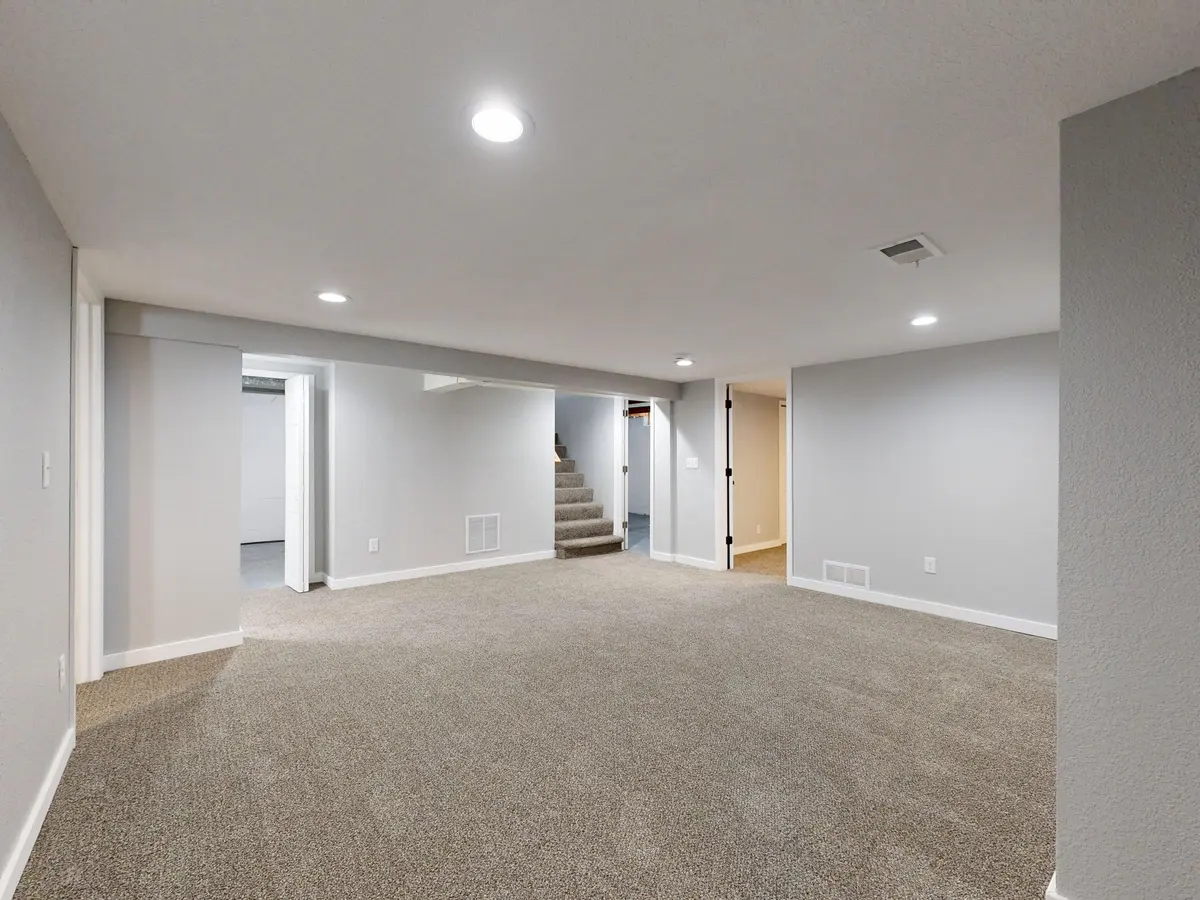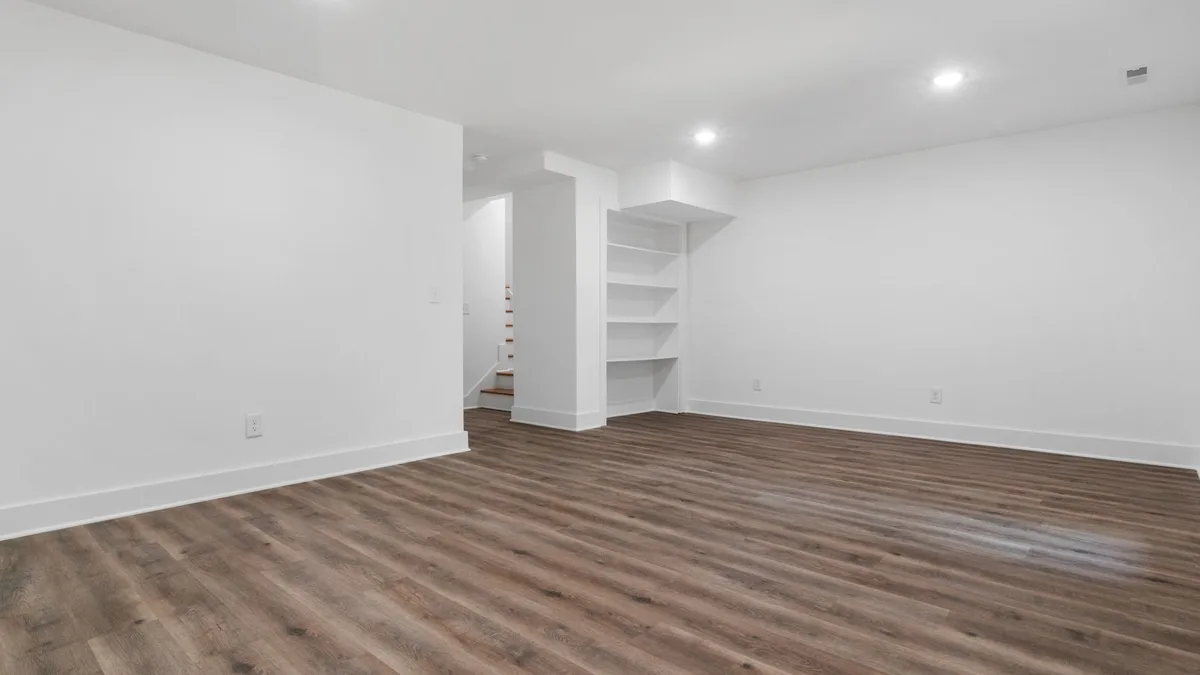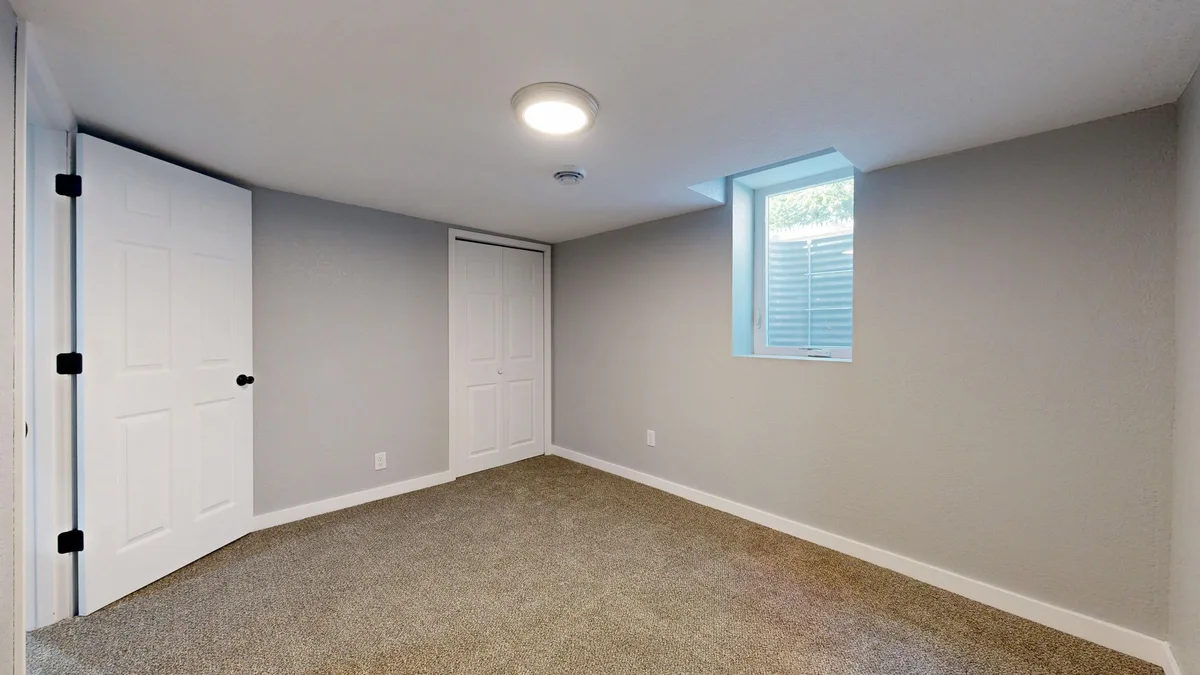
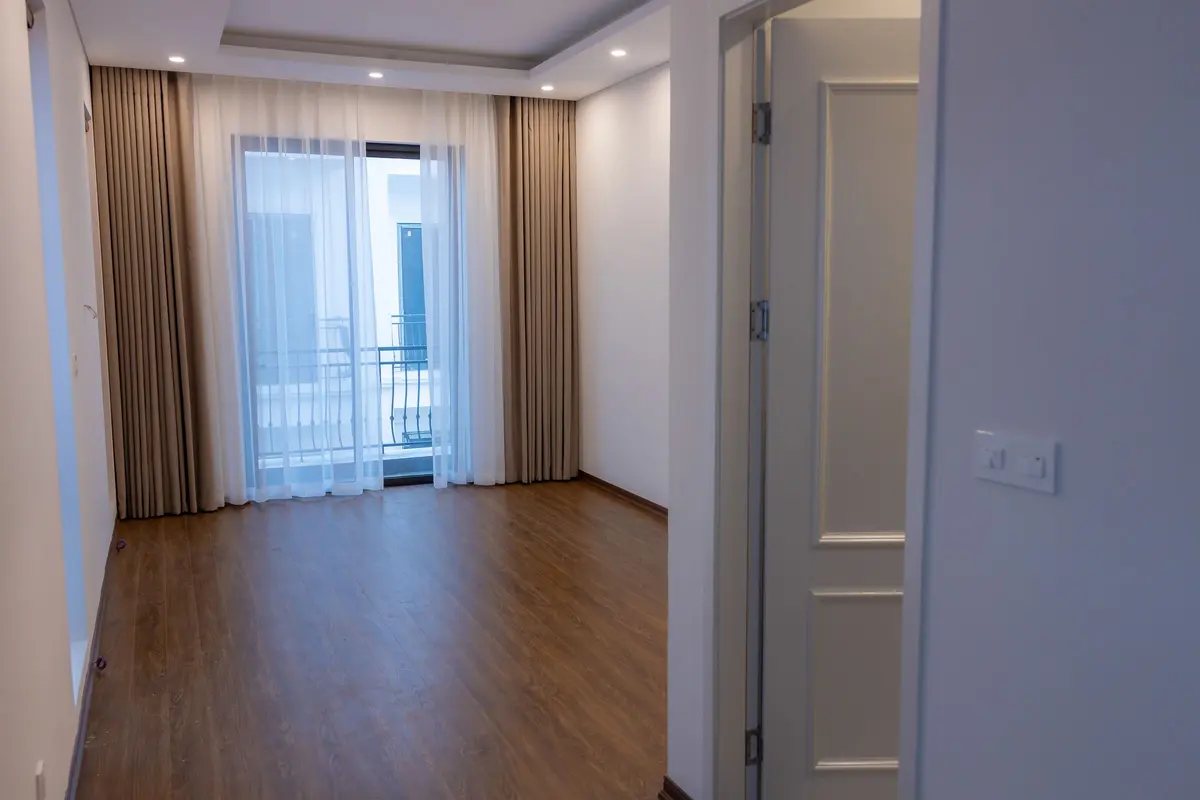
Cape Girardeau has a rental market shaped by a university, two hospitals and a ten percent vacancy rate, and Sikeston has a steady stock of single-family and duplex rentals across both counties. Landlords in both towns replace floors more often than any homeowner does, and they usually replace them under time pressure, in an empty unit, with the next tenant already booked.
This is how to choose flooring for a rental so it survives more than one tenancy, how to plan a turn so the floor does not eat the vacancy, and where the cheapest floor turns out to be the most expensive.
The math a landlord is actually doing
A homeowner buys a floor for fifteen years. A landlord buys a floor for a number of tenancies, and the real cost is the price divided by how many turns it survives. A cheap carpet that has to come out after two tenants costs more than a plank that lasts through six, even if the plank costs more on the day. The other hidden cost is vacancy: every day the unit is being floored is a day it is not rented.
So the questions for a rental floor are different. Not how it looks in the showroom, but how it cleans between tenants, how it hides wear, whether a damaged section can be fixed without redoing the room, and how fast it goes down.
Living areas, kitchen and bath: vinyl plank
Luxury vinyl plank has become the rental standard for reasons that hold up here. It is waterproof, so the leak under the sink or the overflowed tub that a tenant did not report does not ruin the floor. It cleans with a mop, so a turn is a clean rather than a replacement. A scratched or gouged plank can be cut out and replaced individually, which is why keeping a box from the original order in a closet is the smartest thing a landlord can do. And it floats, so it goes down fast over sound existing vinyl or a prepped subfloor.
Two things matter in choosing it. First, the wear layer: a thin one scratches under the first tenant's furniture, and the difference between thin and adequate is small on the day. Second, color: a mid-tone wood look hides dust, scuffs and pet hair better than anything very light or very dark, and it does not fight the next tenant's furniture. Buy a product that will still be made in three years, and buy a spare box.
For the same reasons, a plank with a rigid core is worth it over old subfloors in the older Cape rentals and the crawl-space houses in Sikeston; it bridges small dips that a flexible plank would show. LVP or laminate in a Bootheel home covers why laminate, tempting on price, usually loses in a rental kitchen.
Bedrooms: carpet, if the market expects it
Carpet is the most-replaced floor in any rental because it holds odor and stains and rarely survives more than two or three tenancies. In a student rental near the university it often does not survive one. Many landlords now run vinyl plank through the whole unit and stop replacing carpet altogether.
The case for keeping carpet in bedrooms is that some tenant markets expect it, families with children in particular, and that it is warmer and quieter, which matters in an upstairs unit or over a crawl space. If you keep it, choose a mid-grade stain-resistant polyester or a solution-dyed fiber in a neutral mid-tone, on a pad that is decent rather than the thinnest available, and expect to replace it on a schedule. How to read a carpet sample covers what to look for.
Stairs and trim
In Cape's split-levels and two-story rentals the stairs take more abuse than any room and are the first thing a prospective tenant sees. Carpeted stairs are quieter and safer and are the usual choice in a rental. If the main floor is going hard-surface, the stairs can be planked with proper nosings, which lasts far longer but costs more per step. Stairs and trim covers both.
Shoe mold and transitions are worth doing properly even in a rental, because a lifted transition is a trip hazard and a complaint, and a floor with no trim reads as unfinished in the listing photos.
Planning a turn
The turn is where landlords lose money on flooring, and most of it is avoidable.
Look at the unit before the tenant leaves. With permission, a quick visit while the unit is occupied tells us what is under the floor and whether there is a soft spot, so the quote is real and the material is ordered before move-out rather than after. The subfloor decides the job explains why the subfloor is where turn timelines slip.
Order the material ahead. A plank that has to be ordered adds a week of vacancy. A plank that is sitting in our shop does not.
Sequence the trades. Paint before floors. Cleaning after floors. A floor installed before the painters finish gets paint on it.
Standardize across the property. One plank and one carpet for every unit in a building means spares are interchangeable, colors match across units for photos, and a partial replacement in one unit can use the offcuts from another.
Keep spares. One box of plank and, if you carpet, a remnant, labeled with the unit and the date.
What not to do
Do not float new plank over carpet or over a soft spot to save a day. Do not install the thinnest plank available because the tenant will not care; the second tenant's furniture will. Do not skip the moisture check in a ground-floor Cape unit with a basement or a Sikeston house on a crawl space. And do not let the turn become the time you find out what is under the floor.
Working with us
We measure and quote per unit, schedule around move-out and move-in dates, keep product consistent across a property, and tell you honestly when the floor you had in mind is the wrong one for the tenant you are renting to. Tear-out and haul-away are part of the job. The estimate is free, for one duplex or a whole building, across Cape Girardeau, Sikeston, Scott City and the rest of the counties we cover.
Book an estimate or call 573-471-8700.