
Tile Flooring in New Madrid, MO
Tile is the right answer in the rooms where water always wins in the end — bathrooms, entryways, mudrooms and laundry rooms. Done properly it will outlive everything else in the house. Done badly it cracks, and when tile cracks it is almost never the tile that failed. It is the substrate underneath. That is why most of the work on a tile job happens before a single tile is set, and why we would rather talk to you about what is under your floor than about grout color. Installed by our own crew across New Madrid.
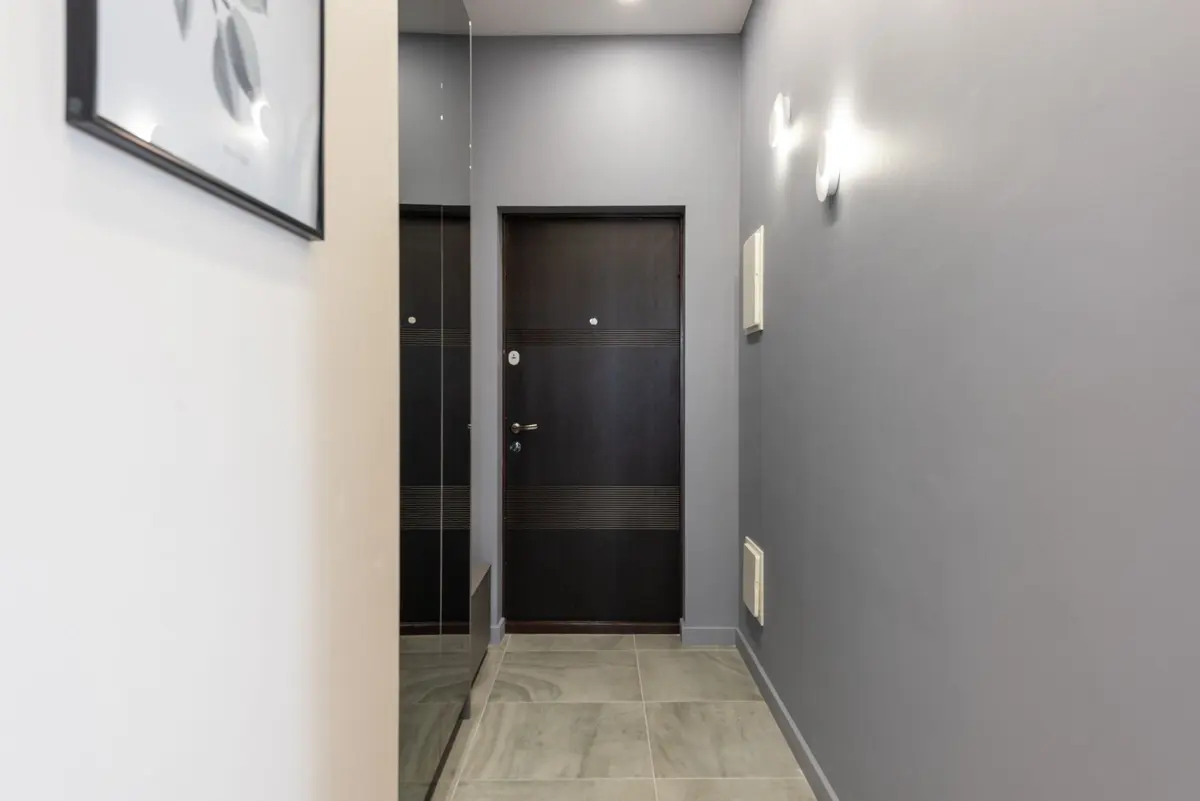
Tile done right, the first time, in New Madrid.
Homeowners across New Madrid, MO call Sikeston Carpet & Flooring for tile because every job runs with our own crew, no subcontractors, no surprise charges, and one number to call from first sample to finished floor.
We install tile across New Madrid and the surrounding area, including Lilbourn, Matthews, Portageville, East Prairie.
What's included
- Porcelain and ceramic for wet rooms and entries
- Substrate assessed and prepared before anything is set
- Movement joints where the floor needs them
- Layout set out from the sightline, not the longest wall
- Sealed grout where the room calls for it
Built for New Madrid homes.
New Madrid gave its name to the seismic zone that runs under all of southeast Missouri. Between 1811 and 1812 the town sat at the center of nearly two thousand earthquakes, some approaching magnitude eight, felt as far away as the East Coast. Around 2,800 people live here now, on the north side of the Kentucky Bend where the Mississippi doubles back on itself. It is a county seat with a long riverfront and housing that reflects a much older settlement than most Bootheel towns.
New Madrid is the county seat, with 2,787 residents at the 2020 census, sitting on an oxbow of the Mississippi about 42 miles from Cairo, Illinois. The 1811–12 sequence produced close to two thousand shocks, the largest around magnitude eight, and the zone is still active — a magnitude 4.0 was recorded here in February 2012.
It would be dishonest to tell you an earthquake dictates your flooring choice; it does not. What the geology actually means day to day is that the ground here is fine alluvial soil, and the Missouri Department of Natural Resources notes that the sandy soils across this part of the state are unusually susceptible to liquefaction. Ground like that settles unevenly over decades, and in an older river town you feel it as a floor that is out of level long before you see a crack.
So in New Madrid we spend longer with a level than we do in a newer town. A slab or a subfloor that has settled a quarter inch across a room will not stop a carpet, but it will show under a rigid click-lock plank as flex, hollow spots and eventually failed joints. Where we find it, we say so and price the leveling compound or the underlayment as its own line rather than burying it.
The older housing near the river also brings the usual river-town realities: crawlspaces that need to breathe, and rooms that have been re-floored more than once. We pull the old material and take it away rather than laying over it, because layering onto an unknown base is how the second floor fails faster than the first.
Tile jobs near New Madrid
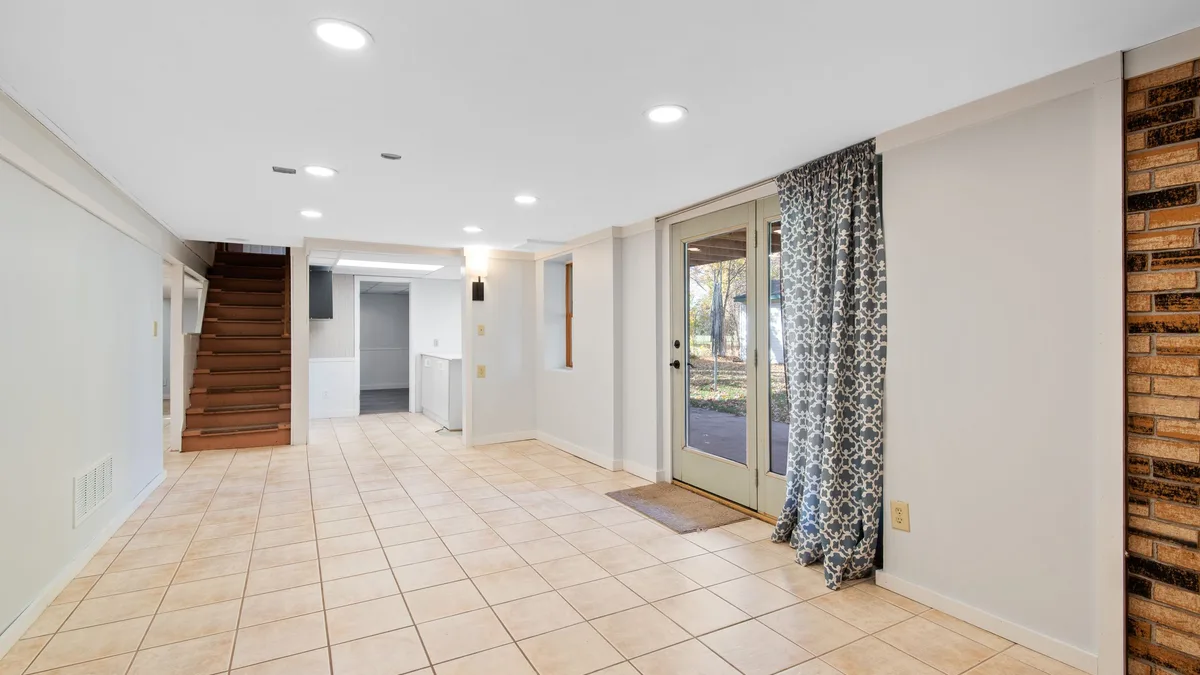
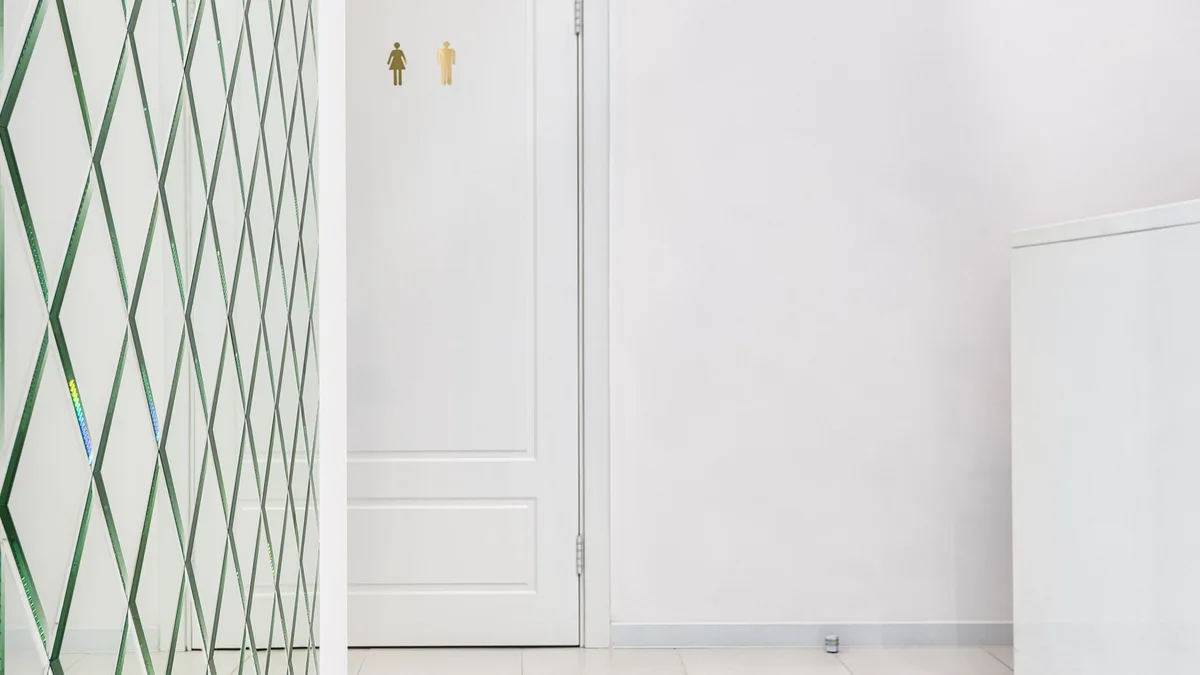
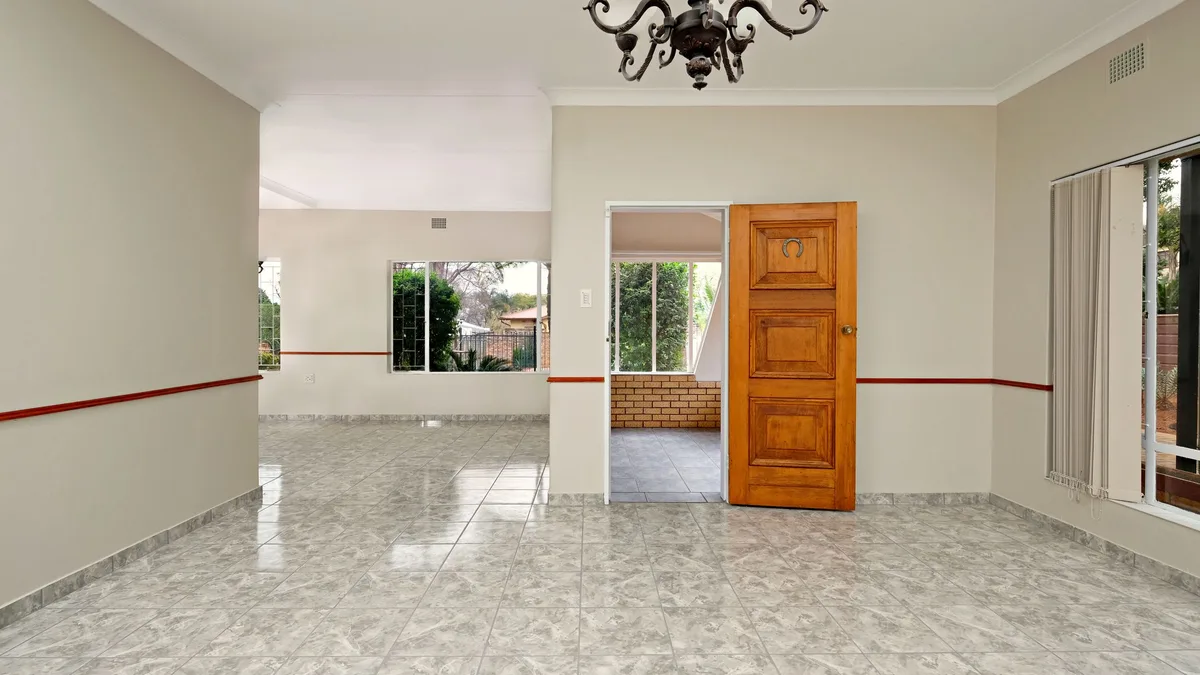
Tile in New Madrid, questions
Does being in the New Madrid Seismic Zone change what flooring I should buy?
Not really — no floor is chosen for earthquake resistance, and we are not going to pretend otherwise. What matters practically is that the ground here is fine alluvial soil that settles unevenly over time, so we check how level your floor actually is before recommending a rigid plank.
My floors are noticeably out of level. What are my options?
Carpet and sheet goods are forgiving of it. Click-lock plank is not, and laying it over an uneven base leads to flexing joints. Usually the answer is a leveling compound or an underlayment in the worst areas, which we measure and quote as its own line so you can see what it costs.
Will you take the old flooring away?
Yes. Removal, tack strip, old adhesive and haul-away are part of what we do, and we would rather take a floor out than lay over it. Laying new material on top of an unknown base is the most common reason a floor fails early.
Why did our last tile floor crack?
Almost always because the substrate moved. Tile is rigid and cannot flex with a subfloor that deflects, so it cracks along the line of the movement. Fixing it means addressing what is underneath — backer board, a decoupling membrane, or stiffening the deck — not just replacing tiles.
Porcelain or ceramic?
Porcelain is denser and absorbs less water, so it suits floors that get genuinely wet and entries that take grit. Ceramic is softer and often perfectly adequate for a low-traffic bathroom or a wall. We will show you both and explain which fits your room.
Does grout need sealing?
It depends on the grout. Traditional cement-based grout benefits from sealing in wet rooms and entries; some modern grouts do not need it at all. We will tell you which you have and what maintenance it actually wants.
Every floor type we install in New Madrid, MO
-
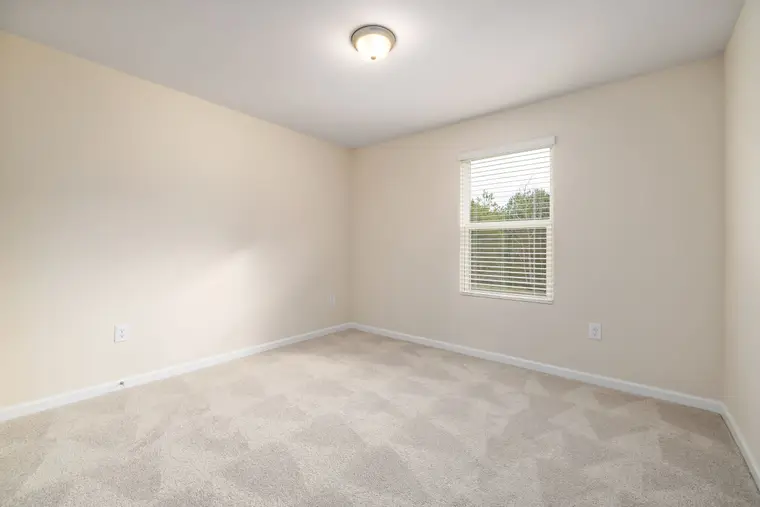 New Madrid
Carpet in New Madrid
Learn more → -
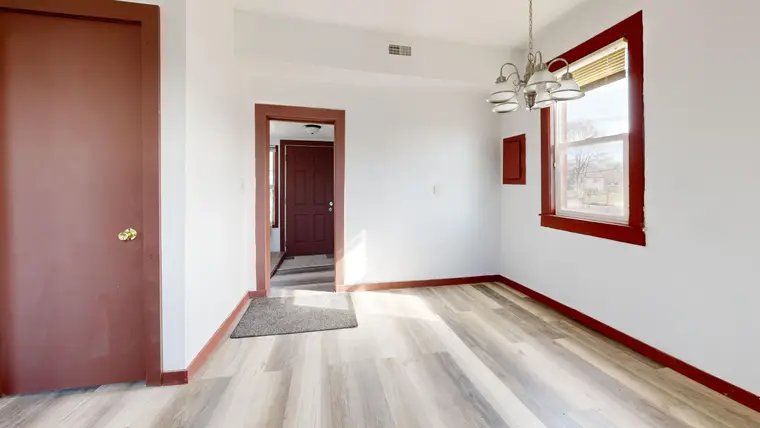 New Madrid
Luxury Vinyl Plank in New Madrid
Learn more → -
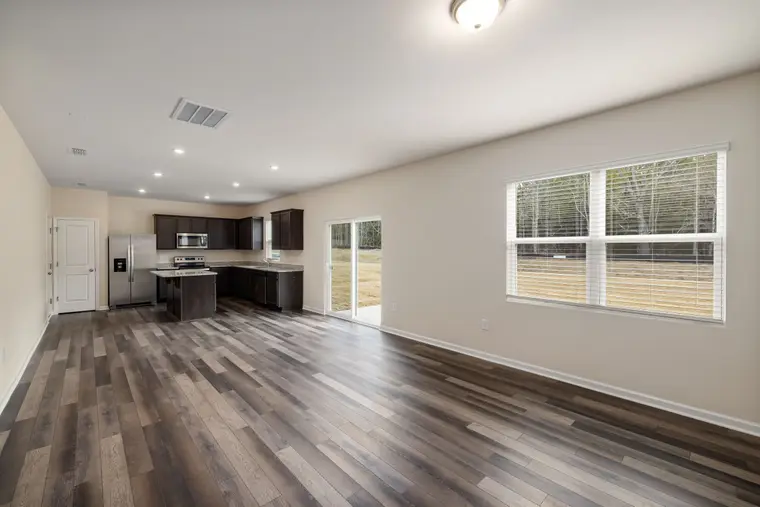 New Madrid
Laminate in New Madrid
Learn more → -
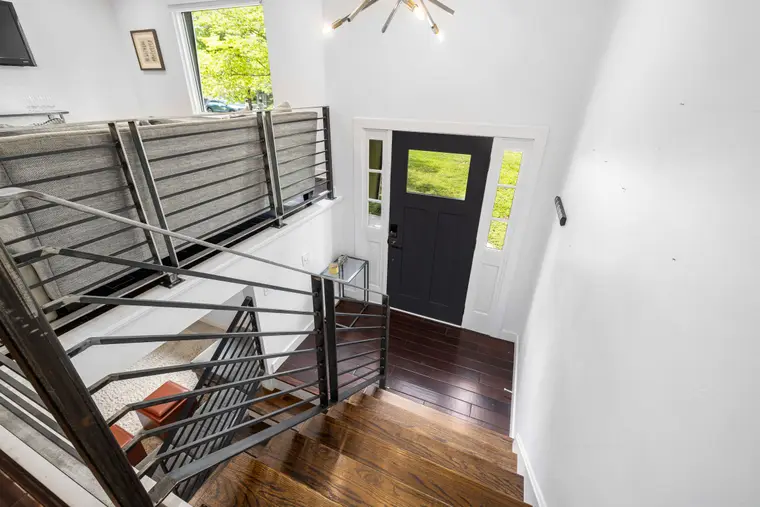 New Madrid
Stairs & Trim in New Madrid
Learn more → -
 New Madrid
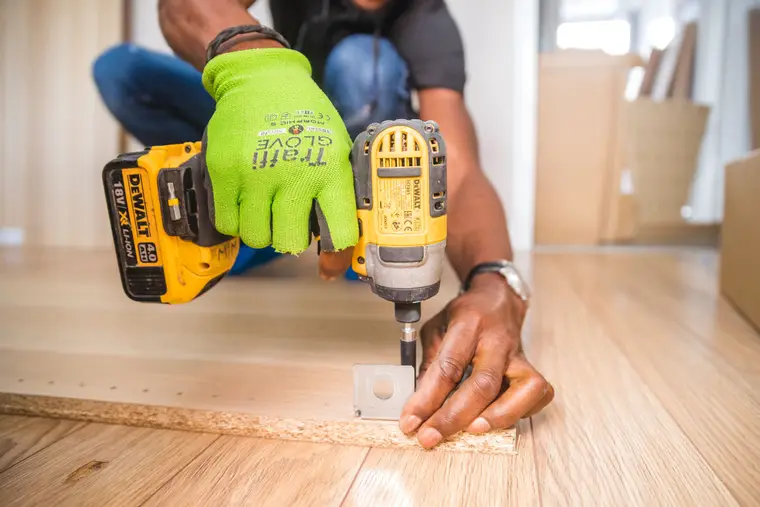
Floor Removal & Demo in New Madrid
Learn more → -
 New Madrid
Commercial Flooring in New Madrid
Learn more →
Tile in nearby areas
Ready to start your New Madrid project?
Free in-home estimate, clear pricing, and a crew that shows up when we say we will.